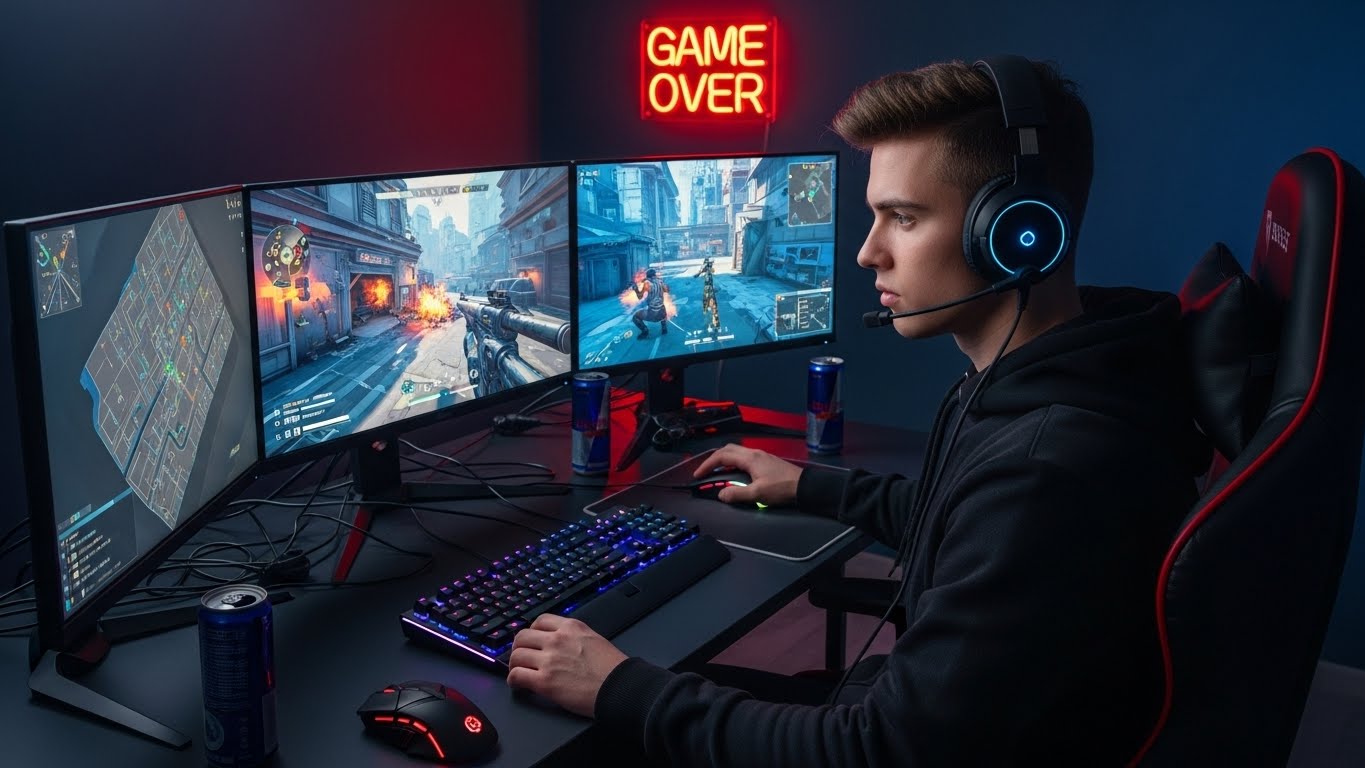
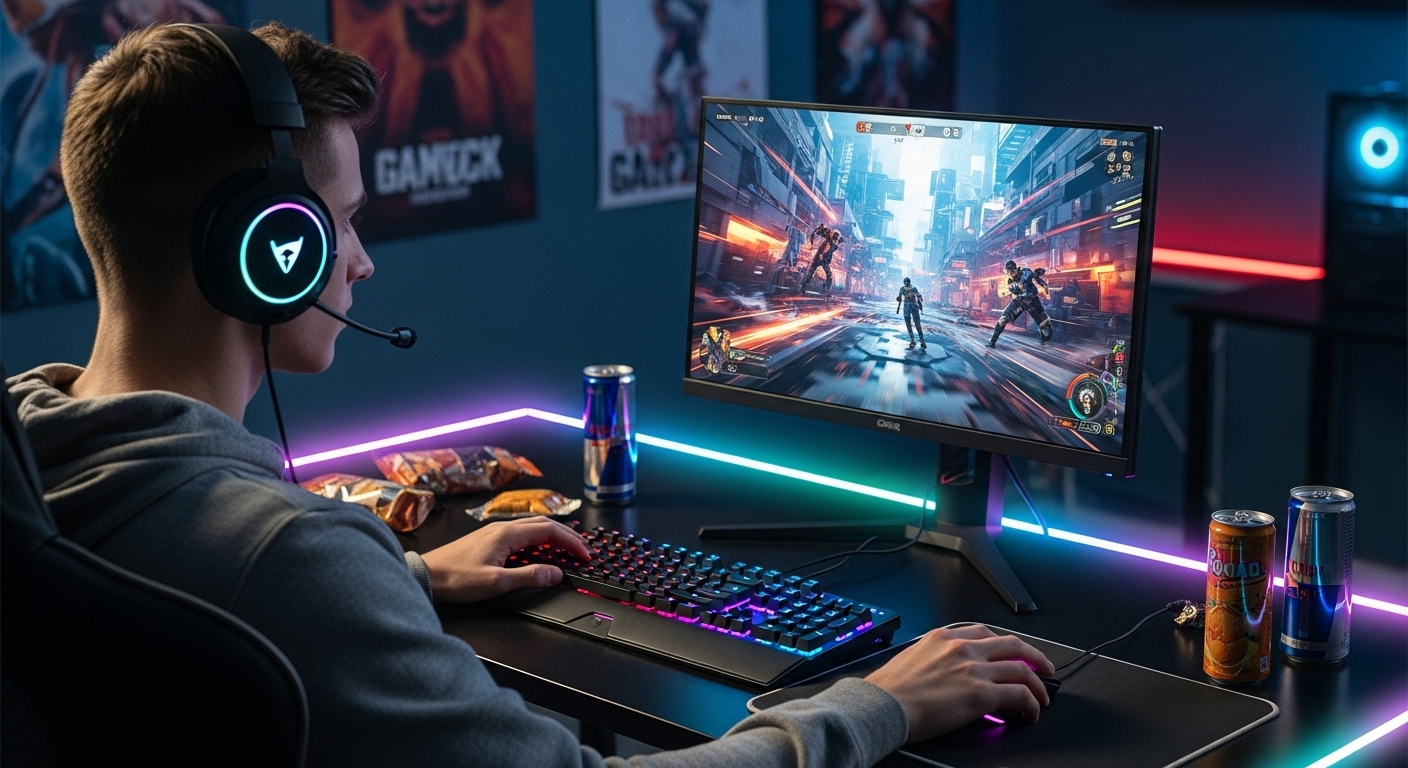
Gaming has undergone a massive transformation over the years, from humble pixelated beginnings to immersive, hyper-realistic worlds that captivate players worldwide. As technology continues to evolve, the gaming industry is constantly pushing boundaries, redefining what it means to be a gamer. In this blog, we explore how gaming has changed, the innovations that have revolutionized the experience, and what the future holds for both players and developers alike.
The Evolution of Gaming: From Pixels to Realism
The journey of gaming has been a fascinating one. In the early days, gaming was mostly confined to 8-bit graphics and simple gameplay mechanics. Iconic games like Pac-Man and Space Invaders dominated the arcade scene, offering players basic yet addictive experiences. Fast forward to the ’90s, and gaming was taking its first steps into the 3D world. The PlayStation, Nintendo 64, and early PC games introduced us to the magic of polygonal models, rendering worlds that felt vast and exploratory.
The real breakthrough came with the rise of high-definition graphics, enhanced processing power, and the introduction of online multiplayer. As consoles became more powerful, and PCs evolved to handle graphics-intensive games, developers were no longer limited by hardware. Titles like The Elder Scrolls V: Skyrim and The Witcher 3 showcased expansive worlds, lifelike character models, and intricate storytelling, setting a new standard for what gaming could achieve.
Immersive Experiences: Virtual Reality and Augmented Reality
One of the most exciting advancements in gaming today is the rise of Virtual Reality (VR) and Augmented Reality (AR). While these technologies have been around for a while, recent innovations have made them more accessible to the general public, offering a completely new way to experience video games.
Virtual Reality has the ability to transport players into entirely new worlds, where they can interact with their surroundings in real-time. Games like Half-Life: Alyx and Beat Saber have shown the true potential of VR, offering an unmatched level of immersion. Whether you’re slashing through neon lights in a rhythm game or solving complex puzzles in a dystopian future, VR gaming takes you to a place where you feel like you’re actually living within the game.
On the other hand, Augmented Reality blends the virtual world with the real one, enhancing your physical environment with digital elements. Pokémon Go, for instance, took the world by storm by allowing players to capture virtual creatures in real-life locations, using their smartphones. As AR technology continues to improve, we’re likely to see more games that integrate the real world with virtual experiences, creating a dynamic blend of both.
The Power of Storytelling in Gaming
One of the most notable changes in gaming over the last decade is the evolution of storytelling. Games are no longer just about high scores or completing levels—they’re about telling deeply engaging stories. The narrative-driven experiences in games like The Last of Us, Red Dead Redemption 2, and God of War are not just about winning; they are about emotional journeys, character development, and creating lasting memories.
What makes these stories so compelling is how they allow players to become part of the narrative. Choices in these games can alter the course of the plot, giving players a sense of agency over the outcomes. This narrative depth has turned many games into a form of art, with some even being studied for their sophisticated storytelling techniques.
The Rise of eSports and Streaming Culture
Gaming is no longer a solitary hobby—it has become a global spectator sport. The rise of eSports has elevated competitive gaming to new heights, with professional gamers earning sponsorships, streaming their gameplay, and participating in high-stakes tournaments watched by millions. Games like League of Legends, Fortnite, and Dota 2 have become cultural phenomena, with eSports tournaments attracting massive live audiences and generating millions in prize money.
Alongside this, platforms like Twitch and YouTube Gaming have created a new form of entertainment where gamers can not only watch others play but also interact with them in real-time. Streaming has become a platform where personalities are born, with some streamers earning fame and fortune from their gaming prowess, humor, or unique take on gaming content.
Social Impact and Gaming Communities
Another exciting development in the gaming world is the rise of online communities. Games like World of Warcraft, Minecraft, and Among Us have shown the potential of games as social platforms, where players from around the globe can come together, share experiences, and build friendships. The social aspect of gaming has become just as important as the gameplay itself.
These communities often foster creativity, collaboration, and even social change. Players come together to raise money for charitable causes, organize virtual events, and create fan-made content that further enriches the game world. The sense of belonging and camaraderie in these spaces is a testament to the power of gaming as a connector, bringing together people from diverse backgrounds and walks of life.
The Future of Gaming: What’s Next?
As we look to the future, the possibilities for gaming are boundless. Advances in artificial intelligence will make NPCs (non-playable characters) more intelligent, reactive, and interactive. Cloud gaming will allow players to access high-quality games without the need for expensive hardware, democratizing access to gaming content for people worldwide.
Additionally, we can expect even deeper integration of VR and AR into mainstream gaming. Imagine exploring ancient ruins in Egypt, solving mysteries in Paris, or experiencing outer space all from the comfort of your living room—this could become the new norm. With innovations like 5G and quantum computing, the speed and connectivity of online gaming will continue to improve, enabling even more seamless multiplayer experiences.
Moreover, the lines between gaming and other forms of entertainment—like movies and TV—are increasingly blurred. Interactive movies and games with cinematic experiences will continue to merge, making us feel like we are the ones driving the plot forward.
Conclusion: Gaming as an Ever-Evolving Art Form
The world of gaming is one of constant innovation, where creativity and technology collide to offer experiences like never before. What started as a niche hobby has blossomed into a global cultural phenomenon, shaping how we socialize, tell stories, and experience entertainment. Whether you’re a casual gamer, an esports enthusiast, or a developer at the forefront of the next big thing, the future of gaming is filled with endless possibilities.
As we continue to explore new technologies and creative storytelling, it’s clear that the evolution of gaming is far from over. The best is yet to come, and we’re all just along for the ride.