Introduction: The Global Gaming Landscape
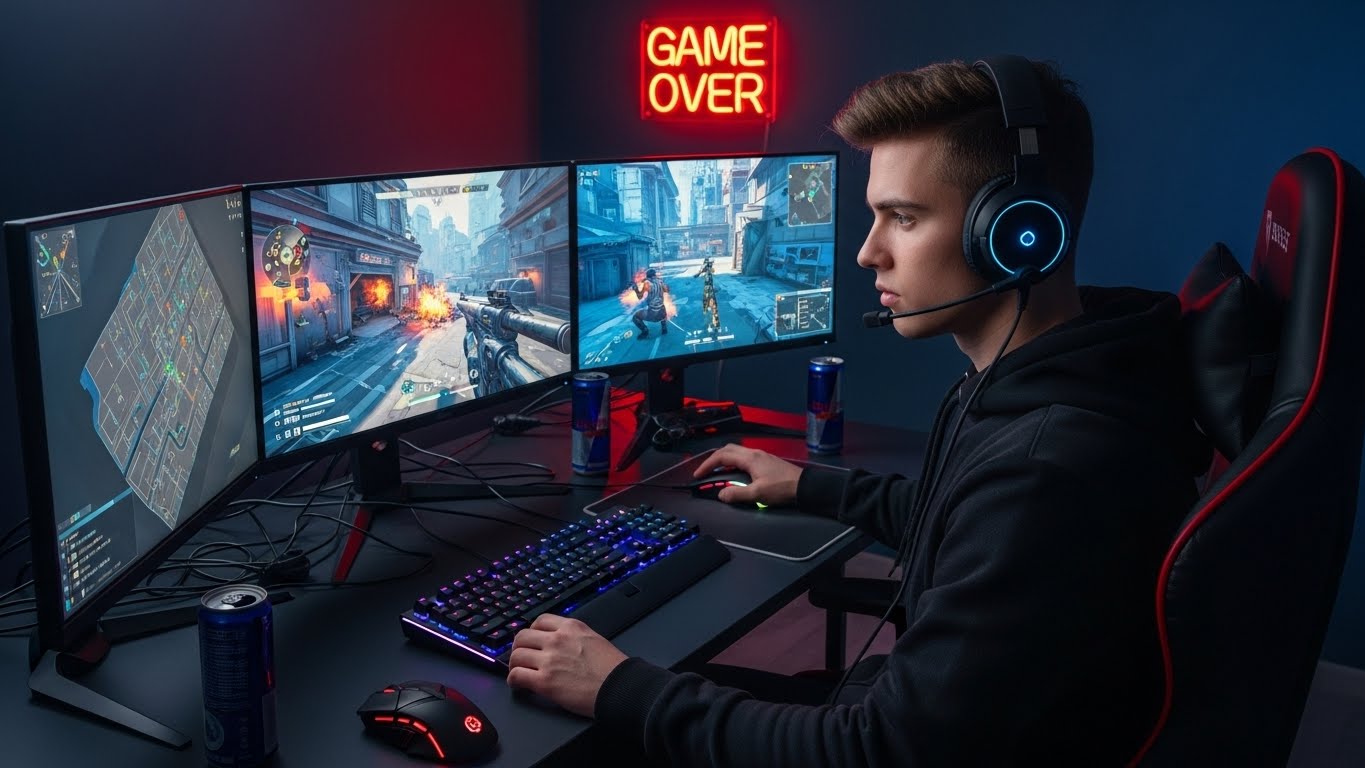
In recent years, gaming has blossomed into a global cultural phenomenon. What began as a niche hobby for tech enthusiasts and early adopters has grown into one of the largest and most influential entertainment industries in the world. From console and PC games to mobile apps and virtual reality experiences, gaming touches nearly every corner of modern life. As technology continues to evolve, the gaming industry is constantly reinventing itself, shaping how people interact, socialize, and experience entertainment.
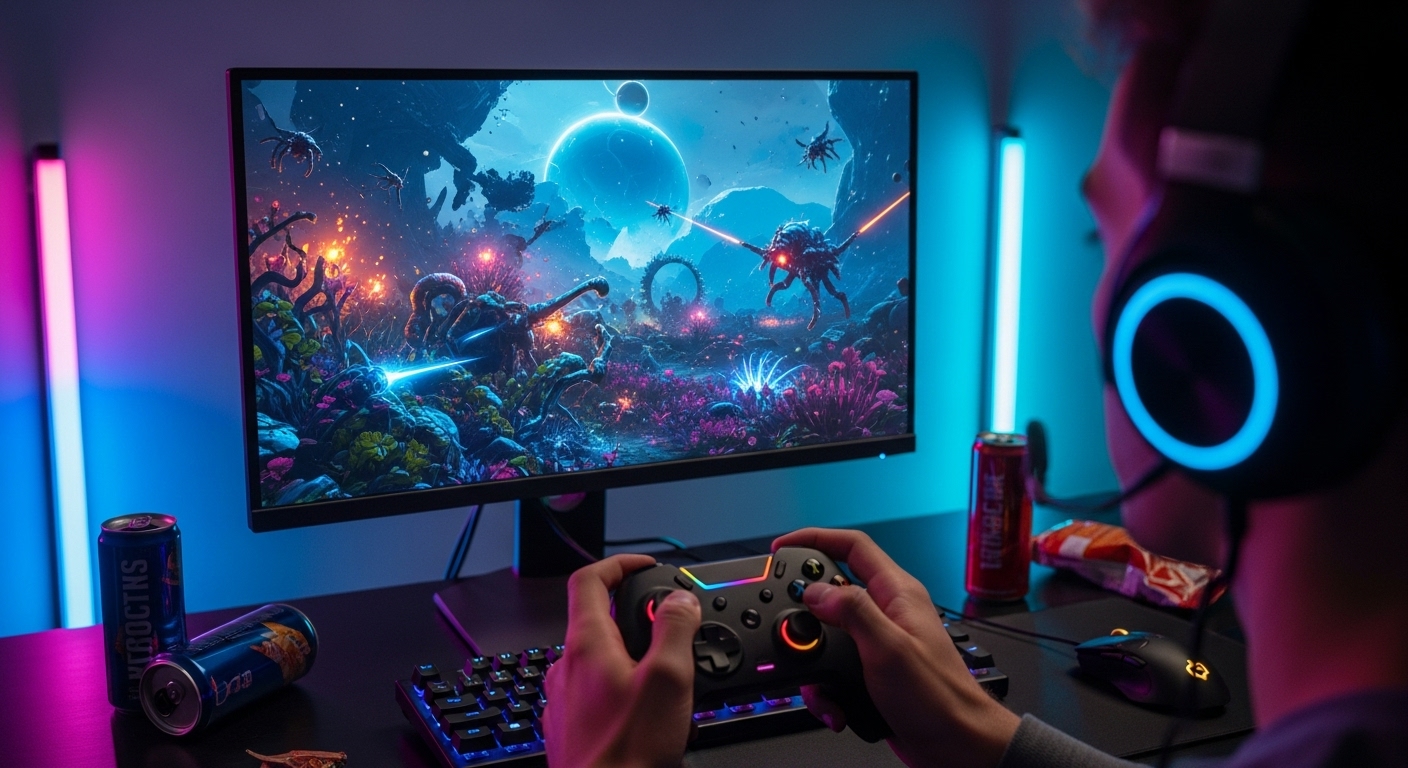
Gaming today is no longer limited to a specific demographic. People of all ages, backgrounds, and locations engage with video games for various reasons. For some, gaming is a way to relax and unwind, while for others, it’s a competitive sport, a social activity, or even a professional career. The rise of esports, the expanding world of live-streaming, and the development of cutting-edge technology like augmented and virtual reality have all played their part in making gaming an essential part of modern culture.
A Brief History of Gaming: From Arcades to Online Worlds
The story of gaming is a fascinating tale of innovation, creativity, and technological evolution. While video games as we know them today only became mainstream in the late 20th century, the roots of gaming stretch back much further. Early examples of games include ancient board games like Chess, Go, and backgammon, which laid the foundation for strategic thinking and competition.
In the 1970s, the introduction of arcade machines like Pong changed the landscape of entertainment. People gathered in arcades, not just to play games but to socialize and compete against each other. The 1980s saw the rise of home consoles, with the Nintendo Entertainment System (NES) and the Sega Genesis becoming household names. These consoles brought gaming into living rooms, giving rise to some of the most iconic franchises like Super Mario, Zelda, and Sonic the Hedgehog.
The 1990s and early 2000s were marked by the growth of PC gaming and the arrival of 3D graphics. Games like Quake, Half-Life, and Warcraft revolutionized the gaming experience, offering expansive worlds and multiplayer modes that allowed players to connect with each other across the globe. As the internet became more widespread, online gaming flourished, and massive multiplayer experiences like World of Warcraft and Counter-Strike took the gaming community to new heights.
Today, gaming has entered the era of mobile devices, cloud gaming, and virtual reality, where boundaries between the digital and physical worlds are becoming increasingly blurred. With each technological advancement, gaming grows more immersive and accessible, offering players new ways to experience their favorite games.
The Technology Behind Gaming: Immersive Experiences Powered by Innovation
One of the key factors that have driven the evolution of gaming is the continuous advancement in technology. The graphics and mechanics of modern games are far beyond what was possible even a decade ago, thanks to innovations in processing power, graphics engines, and online connectivity.
Graphics and Game Engines
The development of powerful graphics cards and sophisticated game engines like Unreal Engine and Unity has allowed developers to create incredibly detailed, lifelike worlds. Advanced rendering techniques, like ray tracing, make lighting and shadows more realistic, while motion capture and 3D modeling bring characters to life in ways that were once unimaginable.
Artificial Intelligence
Artificial Intelligence (AI) plays a crucial role in making games feel more immersive. From NPCs (non-playable characters) that react to player choices to enemies that adapt their behavior based on the player’s actions, AI allows games to be more dynamic and unpredictable. The ability for AI to learn from player behavior and create challenging but fair experiences is a driving force in the evolution of gameplay.
Online Connectivity
The rise of online gaming has forever changed how players interact with each other. Thanks to high-speed internet and multiplayer servers, players can now connect with others from around the world in real-time. Games like Fortnite, League of Legends, and Call of Duty have made online multiplayer gaming not only more accessible but also a central part of modern gaming culture. Online connectivity also opened the door to cloud gaming, where players can stream games directly to their devices without needing powerful hardware.
Virtual and Augmented Reality
The cutting-edge technologies of virtual reality (VR) and augmented reality (AR) have introduced new ways for players to experience games. VR immerses players in fully virtual worlds, offering a first-person perspective where they can physically interact with the environment. Meanwhile, AR blends the real world with digital elements, allowing players to experience games that interact with their physical surroundings. Though these technologies are still in their early stages, their potential to redefine gaming is immense.
Popular Gaming Genres: Something for Everyone
The diversity of games available today ensures that there is something for everyone, regardless of interests or skill level. Gaming genres have evolved and diversified, allowing players to experience everything from fast-paced action to deeply immersive role-playing adventures.
Action and Adventure Games
Action games are often fast-paced and focus on reflexes and combat. Franchise like Assassin’s Creed, Tomb Raider, and God of War are popular examples. Adventure games, on the other hand, tend to emphasize storytelling and exploration, with games like The Last of Us and Red Dead Redemption offering cinematic experiences that combine action with narrative depth.
Role-Playing Games (RPGs)
Role-playing games allow players to immerse themselves in expansive stories and play as characters with unique abilities and personalities. Games like The Elder Scrolls V: Skyrim, Final Fantasy, and The Witcher 3 provide open-world environments where players can shape their character’s journey. RPGs often include elements of strategy, resource management, and character progression.
Strategy Games
Strategy games challenge players to think critically and make tactical decisions. These games can either be real-time, like StarCraft and Age of Empires, or turn-based, like Civilization and XCOM. The emphasis on planning, resource management, and decision-making sets strategy games apart from other genres.
Sports and Racing Games
Sports and racing games allow players to simulate real-world activities like football, basketball, and car racing. Games such as FIFA, NBA 2K, and Gran Turismo are beloved by fans who want to experience the thrill of competition without leaving their homes.
Casual and Puzzle Games
Casual games, like Candy Crush and Angry Birds, are designed to be easy to pick up and play in short bursts. They are perfect for players who want quick, relaxing entertainment. Puzzle games, such as Tetris and Portal, engage players by challenging them to solve problems or navigate complex environments.
The Social Side of Gaming: Connecting Players Worldwide
Gaming has evolved from being a solitary activity to a highly social experience. Online multiplayer games allow players to interact with others, share experiences, and collaborate or compete in real-time. Games like Fortnite and Apex Legends have not only become entertainment platforms but also social spaces where players meet, talk, and build communities.
Streaming and Content Creation
With the rise of platforms like Twitch, YouTube, and Mixer, gaming has become a spectator sport. Content creators and streamers share their gaming experiences with a global audience, creating new opportunities for players to connect, learn, and engage with their favorite games. Esports competitions are also broadcast live, with millions of viewers tuning in to watch professional players battle it out for glory.
The Role of Online Communities
Online forums, social media groups, and in-game chat functions allow players to discuss strategies, share tips, and form lasting friendships. For many, gaming has become a way to build community and find like-minded individuals who share their passion for gaming.
The Impact of Gaming on Pop Culture
Gaming is no longer just an isolated entertainment form. It has become an integral part of popular culture, influencing music, movies, and even fashion. Iconic characters like Mario, Link, and Master Chief have achieved status as cultural icons, with their image appearing on everything from clothing to movie posters. Many video game franchises, such as Tomb Raider and Halo, have been adapted into movies, showing that the influence of gaming reaches far beyond the screen.
Additionally, the rise of gaming culture has led to the development of gaming conventions, where fans can meet their favorite developers, discover new titles, and immerse themselves in the world of gaming. Events like E3, PAX, and Gamescom attract hundreds of thousands of attendees each year, further cementing gaming’s place in global pop culture.
The Future of Gaming: Innovations on the Horizon
The future of gaming is as exciting as its past. As technology continues to advance, new possibilities are opening up that will reshape how we experience games. Cloud gaming, powered by platforms like Google Stadia and Microsoft’s Xbox Cloud Gaming, will allow players to access high-quality games without needing powerful hardware. Virtual reality and augmented reality will provide new ways to immerse ourselves in game worlds, making them feel even more real.
AI will continue to improve the way characters and worlds behave, creating smarter and more interactive experiences. As games become more complex, developers will continue to explore new ways to tell stories, engage players, and push the boundaries of what games can achieve.