Introduction
For decades, gaming was dismissed as a casual pastime reserved for kids, hobbyists, or small groups of enthusiasts. Video games were seen as distractions rather than serious activities, often compared unfavorably to traditional sports, academic pursuits, or cultural pastimes. Yet today, gaming tournaments are watched by millions across the globe, professional gamers earn lucrative sponsorships, and esports events fill entire stadiums. Gaming tournaments have not only become mainstream but also emerged as one of the most exciting forms of modern entertainment, rivaling traditional sports and even television in popularity.
The story of how gaming tournaments made this leap into mainstream culture is one of innovation, technological evolution, community-driven passion, and commercial opportunity. From their humble beginnings in local arcades to becoming billion-dollar global industries, gaming competitions demonstrate the power of digital culture in shaping modern entertainment.
The Origins of Competitive Gaming
The roots of gaming tournaments can be traced back to the late 1970s and early 1980s, when arcade culture dominated youth entertainment. Competitive high scores in games like Space Invaders, Pac-Man, and Donkey Kong sparked informal rivalries. These competitions were small in scale but planted the seeds for organized tournaments.
One of the earliest official gaming competitions was the Space Invaders Championship held in 1980, which attracted thousands of participants across the United States. At the time, this event was groundbreaking. It demonstrated that video games could bring people together in large numbers, not only to play but also to spectate.
As gaming technology advanced and home consoles became popular, the idea of multiplayer competitions grew stronger. Early consoles like the Nintendo Entertainment System and Sega Genesis provided players with opportunities to compete against friends in their living rooms. While these competitions were still small-scale, they fueled a sense of rivalry and community that would later expand to global proportions.
The Rise of LAN Parties and Early Online Play
The 1990s marked a major shift for gaming tournaments thanks to the rise of personal computers and local area network (LAN) parties. These gatherings allowed players to connect multiple computers together, enabling fast-paced multiplayer gaming. Titles like Doom, Quake, and StarCraft became central to competitive gaming communities.
LAN parties became breeding grounds for professional-level players and the first organized leagues. Tournaments at these events grew more structured, with brackets, prizes, and sponsorships beginning to appear. Players traveled from different cities and countries to compete, giving gaming a sense of seriousness it had never seen before.
The introduction of online multiplayer added another layer of accessibility. Gamers no longer needed to be in the same physical space; they could compete with opponents around the world. This opened the door for global communities to form around specific games, a critical step toward the mainstreaming of tournaments.
Professionalization of Esports
By the early 2000s, gaming tournaments began evolving into what is now known as esports. Organizations, sponsors, and media outlets started to recognize the potential of competitive gaming as a spectator sport. Titles like Counter-Strike, Warcraft III, and Halo formed the backbone of early esports leagues.
South Korea played a pivotal role in this transformation. With the popularity of StarCraft, professional players achieved celebrity-like status, competing in televised matches watched by millions. Esports was treated with the same seriousness as traditional sports, complete with team structures, coaching, and salaries.
This professionalization spread globally. Dedicated organizations emerged to host tournaments, and prize pools increased significantly. For the first time, gamers could pursue professional careers, changing public perception of gaming from a hobby to a legitimate profession.
The Role of Streaming and Media Platforms
One of the biggest catalysts in making gaming tournaments mainstream was the rise of live-streaming platforms. Before streaming, competitive gaming was limited to in-person audiences or delayed video broadcasts. Streaming changed everything by allowing real-time global viewership.
Platforms like Twitch enabled millions of people to watch tournaments from the comfort of their homes. Suddenly, gaming competitions were accessible to anyone with an internet connection. Fans could follow their favorite teams, analyze matches, and even interact with streamers through chat features.
Streaming also provided opportunities for smaller tournaments and amateur players to gain exposure. Unlike traditional sports, where breaking into the professional scene is extremely difficult, esports created a more open path for talented individuals. This democratization contributed significantly to the growth of the industry and helped tournaments reach mainstream attention.
The Expansion of Prize Pools and Sponsorships
Another turning point for gaming tournaments was the dramatic increase in prize money. Early competitions offered small cash rewards or merchandise, but modern tournaments boast prize pools worth millions of dollars.
The International, hosted for the game Dota 2, is a prime example. With crowdfunded contributions from players purchasing in-game content, its prize pool grew to staggering amounts, sometimes exceeding 30 million dollars. These numbers not only attracted professional players but also captured media attention.
Sponsorships from major companies outside the gaming industry further legitimized esports. Brands from technology, food, fashion, and even automotive sectors began investing in teams and tournaments. Their involvement highlighted the mainstream appeal of gaming competitions and demonstrated that esports could generate significant returns.
Esports Arenas and Stadium Events
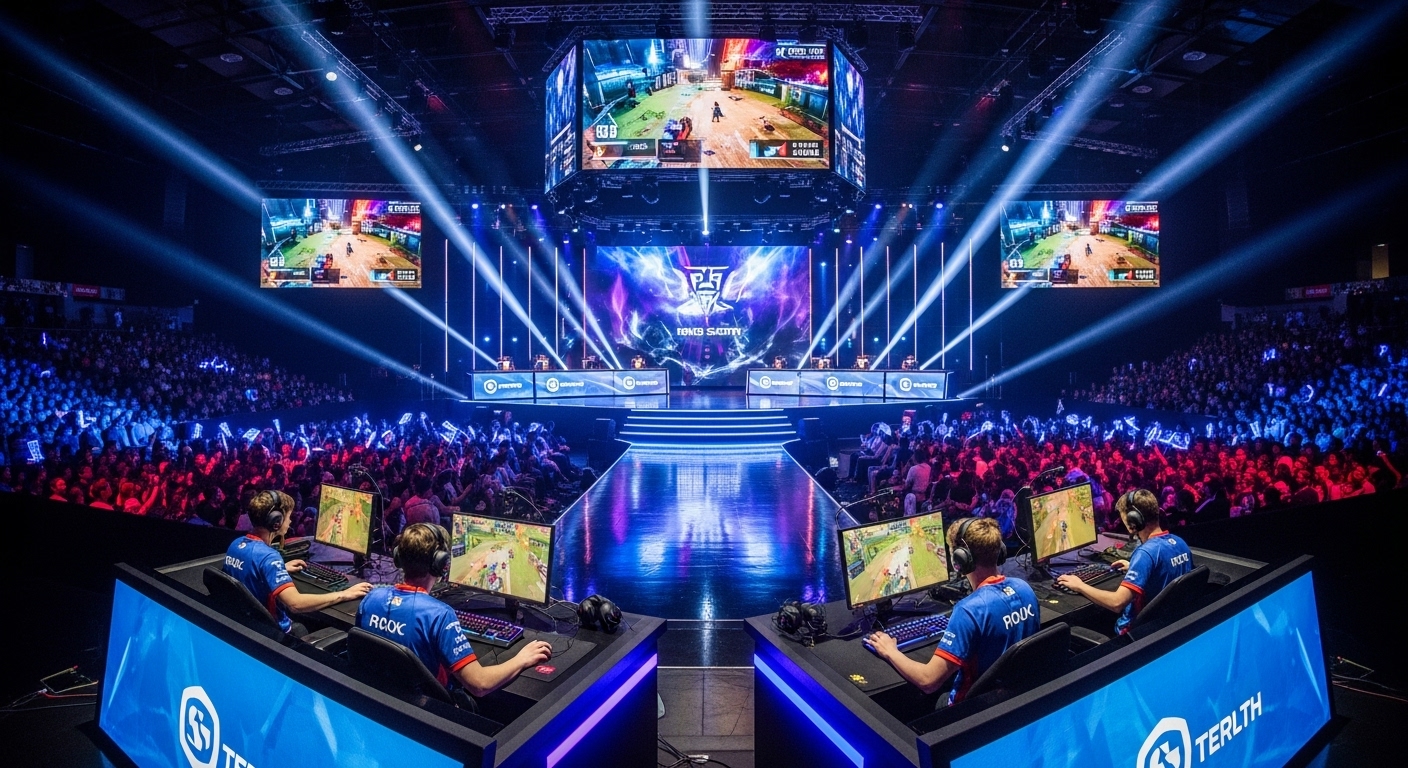
As gaming tournaments grew in popularity, organizers began hosting events in massive venues. Stadiums that traditionally hosted concerts or sporting events were now filled with cheering fans watching professional gamers compete. These live events created electric atmospheres, with thousands of attendees and millions more watching online.
The scale and production quality of these tournaments rivaled traditional sports broadcasts, complete with commentary, analysis desks, and elaborate stage setups. Pyrotechnics, music performances, and theatrical presentations elevated tournaments from simple competitions to full-scale entertainment spectacles.
The fact that gamers could now fill arenas typically reserved for traditional sports was a clear indicator that gaming tournaments had entered mainstream consciousness.
Cultural Acceptance and Celebrity Status of Gamers
Over time, professional gamers began achieving celebrity status. They gained massive fan followings on social media, earned sponsorship deals, and even appeared in mainstream media. Some players became role models for younger audiences, much like traditional athletes.
The cultural shift was significant. Parents who once discouraged gaming began to see it as a viable career path. Schools and universities started offering esports scholarships. Governments in some countries began recognizing professional gamers as athletes, granting them visas for international competitions.
The emergence of gaming celebrities also influenced fashion, music, and lifestyle trends, proving that esports had become more than just a niche hobby—it was part of popular culture.
The Role of Game Developers
Game developers played a crucial role in mainstreaming gaming tournaments. By designing games with competitive play in mind, they ensured that their titles could sustain organized leagues and long-term communities. Games like League of Legends, Overwatch, and Fortnite were built with esports ecosystems from the start.
Developers provided support through balance updates, official tournaments, and marketing initiatives. They created spectator modes that made matches easier to watch and understand, ensuring that even casual audiences could follow along. This level of support ensured that tournaments remained engaging and sustainable for years.
The Impact of Social Media
Social media amplified the visibility of gaming tournaments. Highlights, memes, and viral moments spread rapidly across platforms like Twitter, Instagram, and TikTok, exposing esports to audiences who might not otherwise watch entire tournaments.
This constant flow of content kept esports in the public conversation, bridging the gap between hardcore fans and mainstream audiences. Social media also allowed fans to engage directly with players and teams, fostering strong communities and increasing loyalty.
Comparisons with Traditional Sports
One reason gaming tournaments became mainstream is their similarity to traditional sports. Like sports, esports involves teams, rivalries, strategies, and fan loyalty. This familiarity made it easier for mainstream audiences to understand and embrace competitive gaming.
However, esports also introduced unique advantages. Unlike traditional sports, where physical limitations play a role, esports is more inclusive. Players from different backgrounds, countries, and physical abilities can compete on equal footing. Additionally, the digital nature of esports allows for rapid evolution, with new games, formats, and tournaments constantly emerging.
The Pandemic and Global Attention
The COVID-19 pandemic further accelerated the mainstreaming of gaming tournaments. With traditional sports canceled or delayed, audiences turned to esports for entertainment. Online tournaments continued without the need for physical gatherings, providing a consistent source of competitive content.
This period exposed esports to new audiences, many of whom became long-term fans. It also demonstrated the resilience of esports compared to traditional industries, reinforcing its status as a major player in global entertainment.
Challenges on the Road to Mainstream Acceptance
Despite its successes, esports faced challenges on its path to mainstream recognition. Issues such as player burnout, lack of regulation, match-fixing scandals, and inconsistent standards across leagues created obstacles. Additionally, skepticism from older generations and traditional sports communities often questioned the legitimacy of gaming as a form of competition.
Over time, however, these challenges have been addressed through professionalization, stricter regulations, and broader cultural acceptance. The industry continues to mature, ensuring its longevity and credibility.
The Future of Gaming Tournaments
Looking ahead, the future of gaming tournaments appears brighter than ever. Advancements in technology, such as virtual reality and augmented reality, could redefine how audiences experience matches. The integration of AI may enhance training, analysis, and even in-game interactions, further pushing the boundaries of what is possible.
Global expansion will also play a significant role. As internet access spreads to more regions, new communities of players and fans will emerge, ensuring that esports continues to grow worldwide. Crossovers with traditional sports, media, and entertainment will blur lines even further, making gaming tournaments a permanent fixture in mainstream culture.
Conclusion
The journey of gaming tournaments from niche gatherings in arcades and LAN parties to mainstream global spectacles is a remarkable story of cultural evolution. Fueled by technology, passion, and community, esports has become a multi-billion-dollar industry with massive global influence.
What began as simple competitions for high scores is now a form of entertainment rivaling traditional sports, uniting millions of fans across cultures and continents. Gaming tournaments became mainstream not through luck but through relentless innovation, cultural shifts, and the universal appeal of competition.
As the world continues to embrace digital culture, gaming tournaments will only grow in prominence, shaping the future of entertainment in ways we are just beginning to imagine.