Introduction
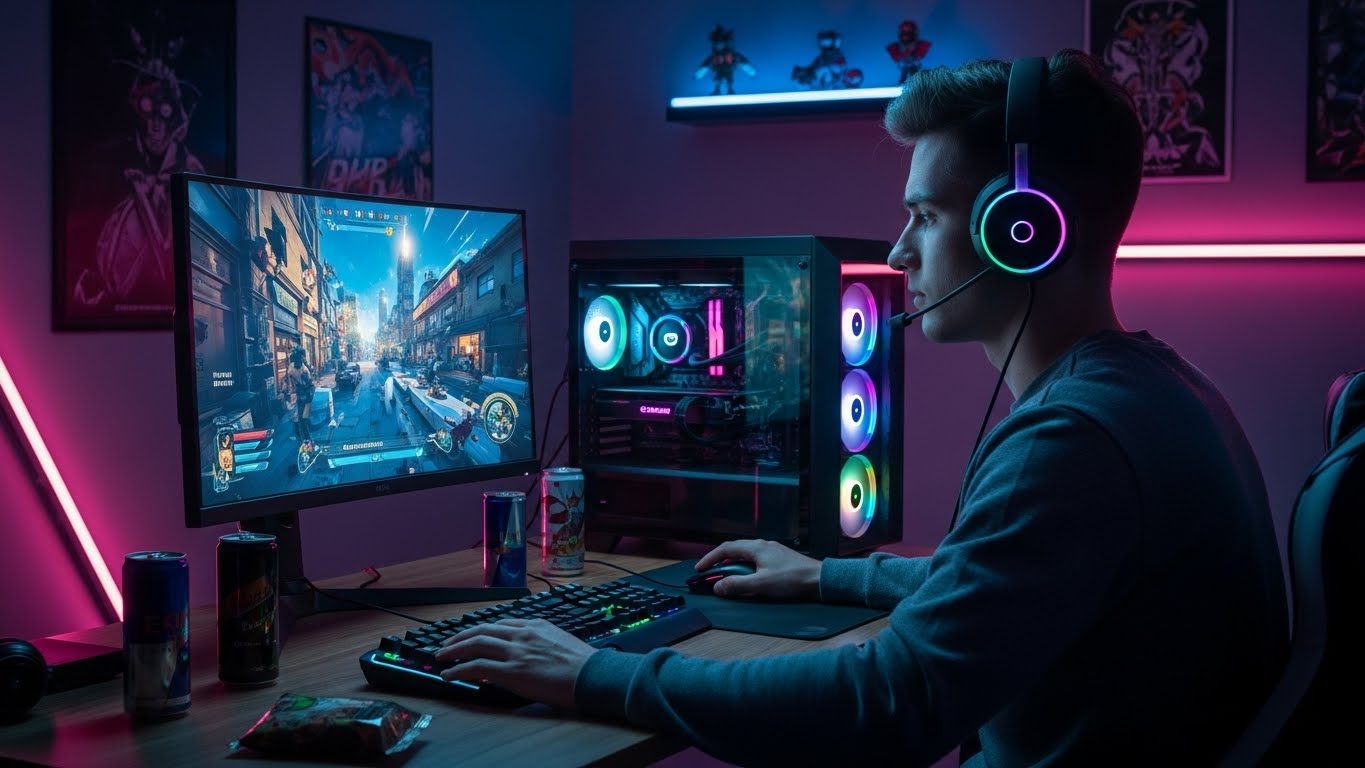
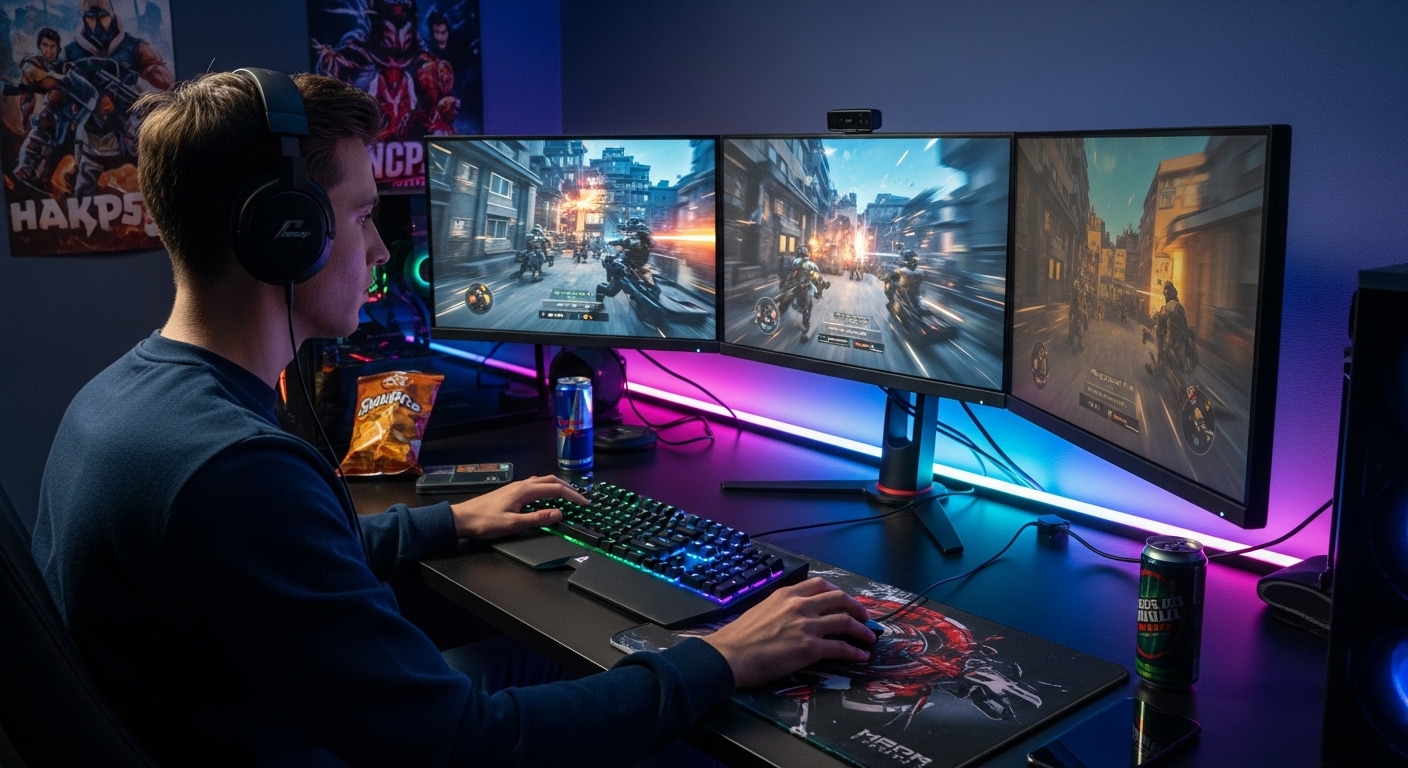
Gaming has transformed from a niche hobby into a cultural and technological revolution. What once started with simple pixelated adventures has now become an expansive world filled with rich storytelling, competitive arenas, and immersive virtual experiences. Today, gaming influences art, education, social connection, and even mental health, making it one of the most powerful industries in the world.
The Journey of Gaming Evolution
The story of gaming is one of constant innovation. Early games like Pong and Tetris introduced people to interactive entertainment, while consoles in the 90s brought iconic characters and unforgettable stories to life. As technology advanced, so did the complexity and beauty of games. Today, players experience lifelike graphics, open-world adventures, and online multiplayer worlds that connect millions. Gaming has evolved from simple fun to a true form of creative expression.
The Art of Immersion
Modern games are masterpieces of art and technology combined. Detailed graphics, cinematic music, and emotional storytelling create experiences that draw players deep into virtual worlds. Unlike movies or books, games allow players to shape their own stories and outcomes through choices and actions. This interactivity gives gaming a unique power to engage the heart and mind simultaneously.
The Rise of Competitive Gaming
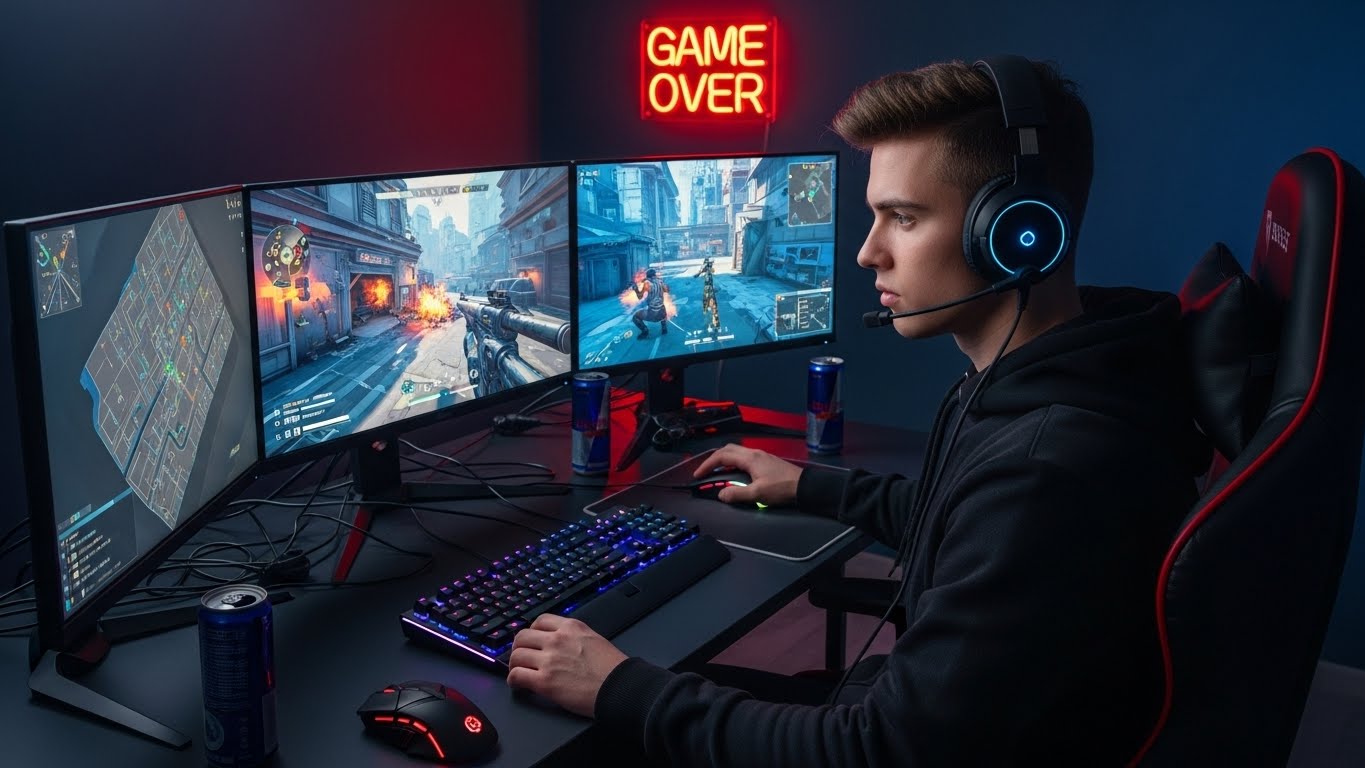
Competitive gaming, or eSports, has taken the entertainment world by storm. What began as friendly matches among friends has turned into professional competitions with global audiences and massive rewards. eSports athletes train rigorously, mastering strategy, reflexes, and teamwork. This new era of digital competition has made gaming a legitimate career path and a respected sport in its own right.
Gaming as a Social Experience
Gaming is no longer a solitary activity. Online multiplayer platforms have turned it into a space for connection and collaboration. Players form friendships, join teams, and build communities across continents. Whether through cooperative missions or friendly rivalries, gaming creates bonds that cross cultural and geographical boundaries, uniting people through shared passion and creativity.
The Educational Side of Gaming
Games are also proving to be valuable educational tools. They promote problem-solving, critical thinking, and creativity. Many educational institutions now use game-based learning to engage students in subjects like history, science, and mathematics. Interactive learning through gaming makes complex topics more approachable and memorable, fostering curiosity and motivation among learners.
Gaming and Mental Well-being
Beyond entertainment, gaming can positively impact mental health. It offers relaxation, stress relief, and a sense of accomplishment. Story-driven games provide emotional experiences that help players process feelings and explore empathy. For many, gaming serves as both an escape and a form of self-expression, providing comfort during challenging times.
The Future of Gaming
The future of gaming promises even greater innovation. Virtual reality, augmented reality, and artificial intelligence are pushing boundaries and redefining what games can be. The lines between real and virtual worlds are blurring, giving players unprecedented control and immersion. As technology advances, gaming will continue to expand its influence on entertainment, communication, and creativity.
Conclusion
Gaming is far more than just a form of amusement—it is a dynamic force shaping modern culture and human connection. It blends art, storytelling, and technology to create experiences that inspire and unite people around the globe. As the industry continues to grow, one thing remains certain: gaming is not just about playing; it’s about exploring worlds, sharing stories, and discovering new ways to connect beyond the screen.