Introduction: Gaming as a Global Phenomenon
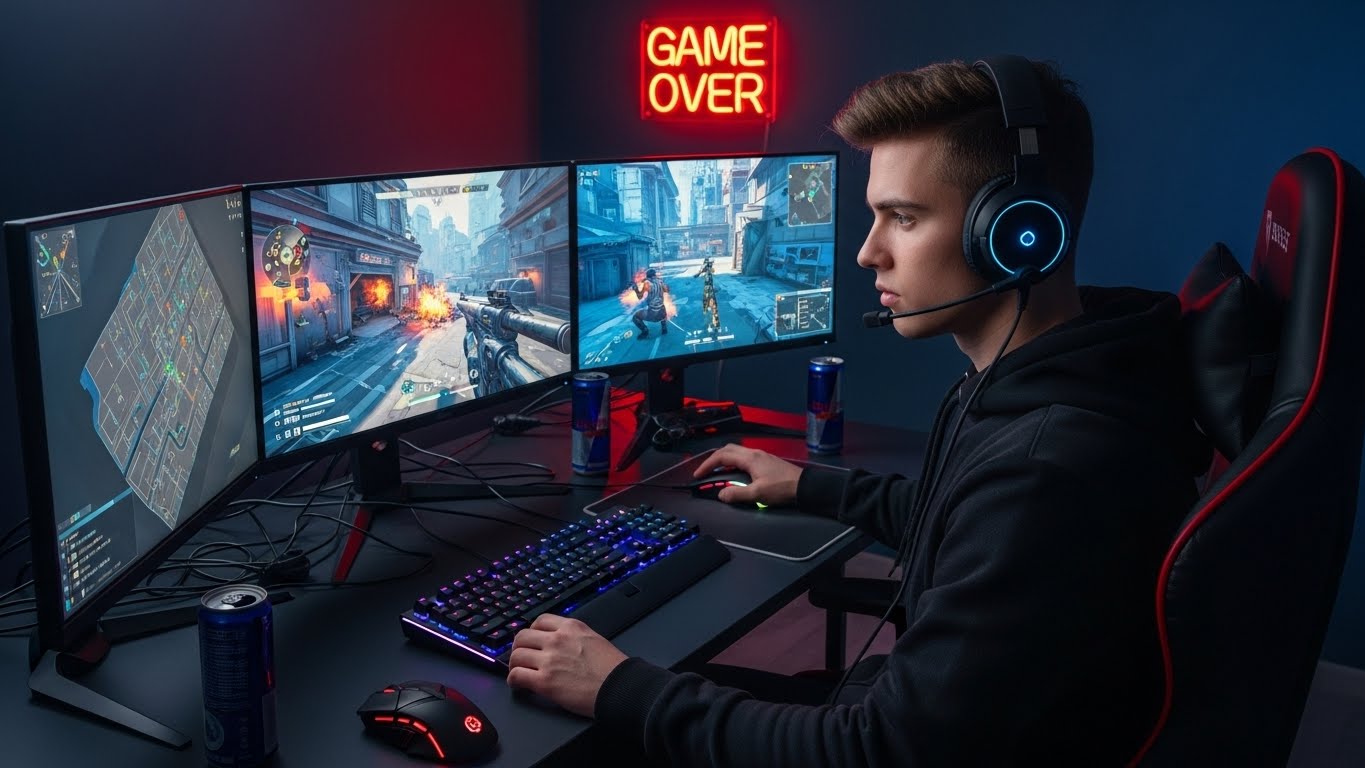
Gaming has evolved into one of the most influential forms of entertainment in the modern world. Once considered a niche hobby for children or teenagers, it has grown into a multi-billion-dollar industry that spans consoles, PCs, mobile devices, and cloud platforms. The reach of gaming is now global, attracting diverse audiences across age groups, cultures, and backgrounds. Today, gaming is more than just play; it is a platform for storytelling, social interaction, competition, and even education. This blog explores the evolution of gaming, its cultural and economic impact, technological innovations, and the trends shaping its future.
The History and Evolution of Gaming
The roots of gaming can be traced back to the early days of arcade machines and simple computer games. In the 1970s and 1980s, titles such as Pong and Space Invaders laid the foundation for interactive entertainment. Home consoles like the Nintendo Entertainment System and Sega Genesis in the 1980s and 1990s made gaming accessible to households, creating iconic franchises that are still popular today.
The 1990s and 2000s saw the rise of PC gaming, which introduced complex strategy games, role-playing games, and multiplayer experiences. This period marked the beginning of online gaming, where players could connect over networks and compete in real-time. Today, gaming has grown into a highly sophisticated industry with immersive 3D graphics, virtual reality, and highly realistic simulations that rival cinematic experiences.
The Technological Advancements in Gaming
Technological innovation has been a key driver in the evolution of gaming. Graphics, sound, and physics engines have become increasingly advanced, creating realistic environments and characters. Artificial intelligence has enhanced gameplay by allowing non-player characters to behave in unpredictable and intelligent ways, adding depth to the gaming experience.
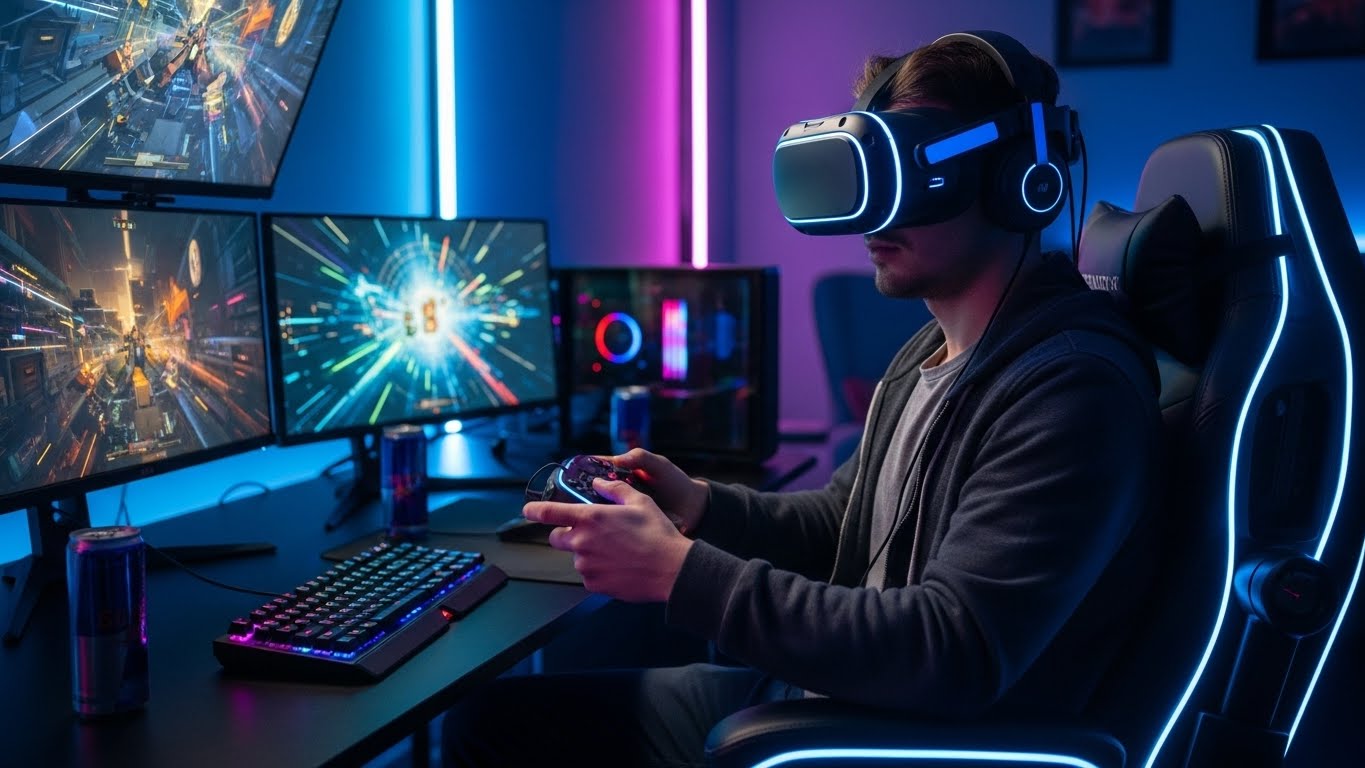
Virtual reality and augmented reality have introduced entirely new ways to play, offering immersive environments that engage players physically and mentally. Cloud gaming and streaming services have removed the barrier of expensive hardware, allowing players to access high-quality games on almost any device. Technology continues to redefine the possibilities of interactive entertainment, expanding both creativity and immersion.
The Cultural Impact of Gaming
Gaming has transcended entertainment to become a significant cultural force. Iconic characters, storylines, and worlds from games have influenced media, fashion, and even social behavior. Gaming conventions, live-streamed tournaments, and fan communities provide spaces where enthusiasts can celebrate their passions and connect with like-minded individuals.
Storytelling in games has also reached new heights, with narrative-driven titles offering branching storylines, moral choices, and character development. These interactive narratives engage players on an emotional level, allowing them to influence outcomes and become active participants rather than passive observers. Gaming has, therefore, become both an art form and a cultural phenomenon.
Gaming as a Social Platform
Modern gaming is highly social. Multiplayer games allow friends and strangers alike to collaborate and compete in real-time. Online communities form around games, providing spaces for discussion, strategy sharing, and socialization. Games such as Fortnite, Minecraft, and Among Us exemplify how digital worlds can foster friendships and community interaction.
Streaming platforms have further enhanced the social aspect of gaming. Gamers can broadcast live, engage with audiences, and build communities around shared interests. This interactive element has transformed gaming into a participatory culture, where players are not only consumers but also content creators and influencers.
Economic Significance of Gaming
The gaming industry is one of the largest sectors in global entertainment. Revenue is generated through game sales, in-game purchases, subscriptions, merchandise, and esports. Gaming supports a wide range of careers, from developers and designers to marketers, content creators, and professional players.
Esports, the competitive side of gaming, has turned skilled players into global celebrities. Large-scale tournaments offer substantial prize money, attract sponsorships, and engage millions of viewers worldwide. The economic impact extends beyond the industry, influencing technology development, media, tourism, and merchandise markets. Gaming has become a significant contributor to global economic activity.
The Rise of Esports
Esports has revolutionized competitive gaming. Professional leagues and tournaments, such as League of Legends World Championship, Dota 2’s The International, and Fortnite competitions, showcase high-level skill and strategy. Teams operate with coaches, analysts, and managers, emphasizing discipline, teamwork, and preparation.
Esports draws massive online viewership and in-person audiences, rivaling traditional sports. It has also created career opportunities for players, commentators, event organizers, and content creators. The rise of esports highlights gaming’s transition from hobby to professional pursuit, legitimizing it as a competitive and commercial activity.
Gaming and Cognitive Development
Gaming is not only entertaining but also educational and cognitive-enhancing. Strategy games improve critical thinking, problem-solving, and planning skills. Puzzle and logic games enhance spatial awareness, memory, and analytical abilities. Multiplayer games foster teamwork, communication, and leadership skills.
Educational games and simulations are increasingly used in classrooms and professional training, making complex concepts more engaging and interactive. Through gameplay, players develop both cognitive and social skills, illustrating the potential of gaming as a tool for learning and personal growth.
Diversity and Representation in Gaming
Modern gaming increasingly embraces diversity and representation. Developers are creating characters and narratives that reflect different cultures, genders, and abilities. Inclusive game design allows more players to see themselves represented, fostering empathy and cultural awareness.
Accessibility features also make games playable for individuals with disabilities, widening participation and promoting inclusivity. By embracing diversity, gaming reaches broader audiences and encourages socially responsible entertainment.
The Challenges Facing the Gaming Industry
Despite its growth, the gaming industry faces challenges. Addiction and excessive screen time can affect physical and mental health. Toxic behavior, harassment, and online bullying in gaming communities remain concerns. Developers must address these issues through community management, moderation, and responsible game design.
Rapid technological evolution demands constant innovation from developers, while balancing profitability and creativity. Additionally, ensuring equitable access to gaming for people in different regions and economic situations is an ongoing challenge. Sustainability and ethical practices are crucial for the long-term health of the industry.
The Future of Gaming
The future of gaming is poised for exciting innovations. Virtual reality, augmented reality, and mixed reality will offer deeper immersive experiences. Artificial intelligence will enhance game dynamics, personalizing challenges and creating adaptive worlds. Cloud gaming will continue to remove barriers to access, allowing high-quality experiences on virtually any device.
Gaming will also intersect further with education, healthcare, and social networking, broadening its relevance beyond entertainment. Esports, live streaming, and interactive narratives will grow, attracting diverse audiences and fostering new ways to connect and engage.
Conclusion: Gaming as a Transformative Force
Gaming has evolved into a powerful cultural, economic, and technological force. It entertains, educates, and connects people worldwide, offering experiences that blend creativity, competition, and interactivity. From humble beginnings with arcade machines to sophisticated virtual worlds and professional esports leagues, gaming has transformed the entertainment landscape.
Its social impact, cognitive benefits, and economic significance make gaming a defining element of modern culture. As technology advances and the industry continues to innovate, gaming will remain at the forefront of digital entertainment, shaping the way people play, learn, and interact for generations to come.