Introduction: A New Era of Interactive Worlds
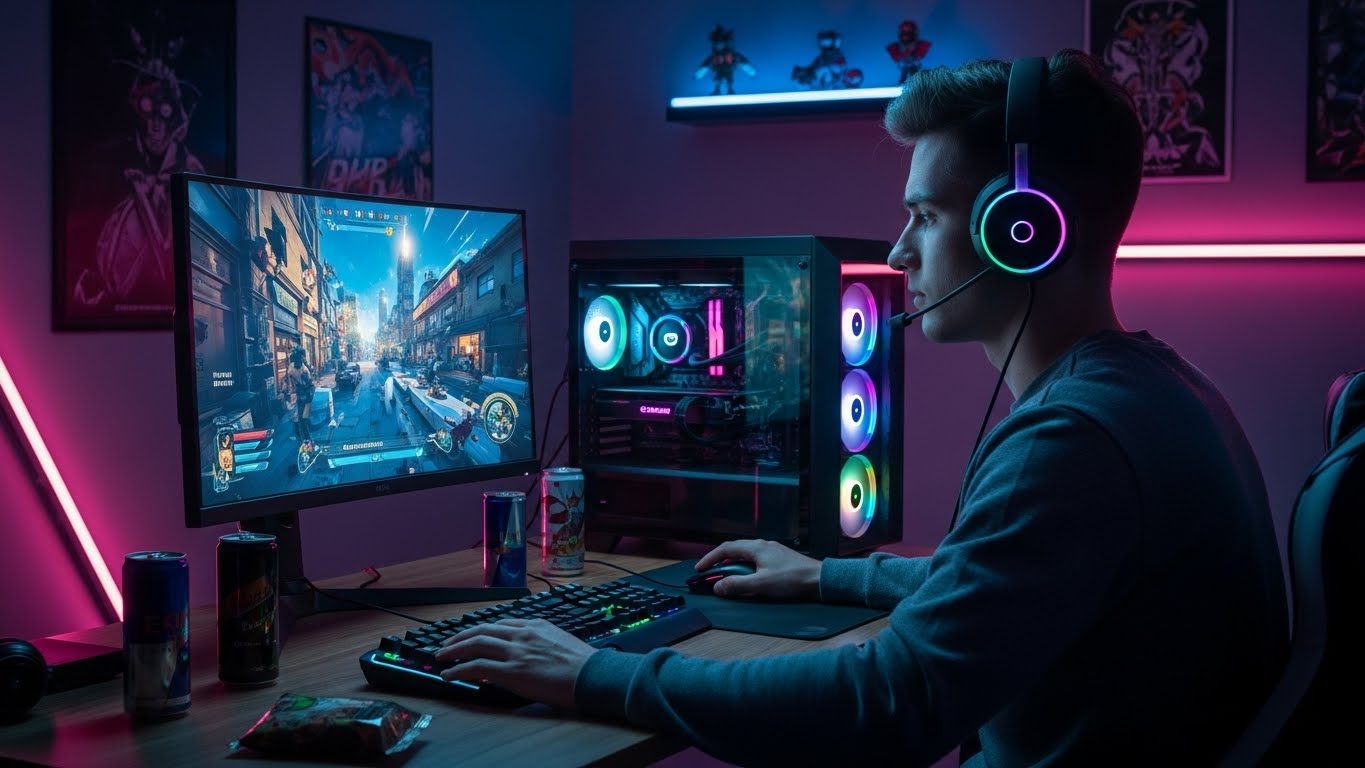
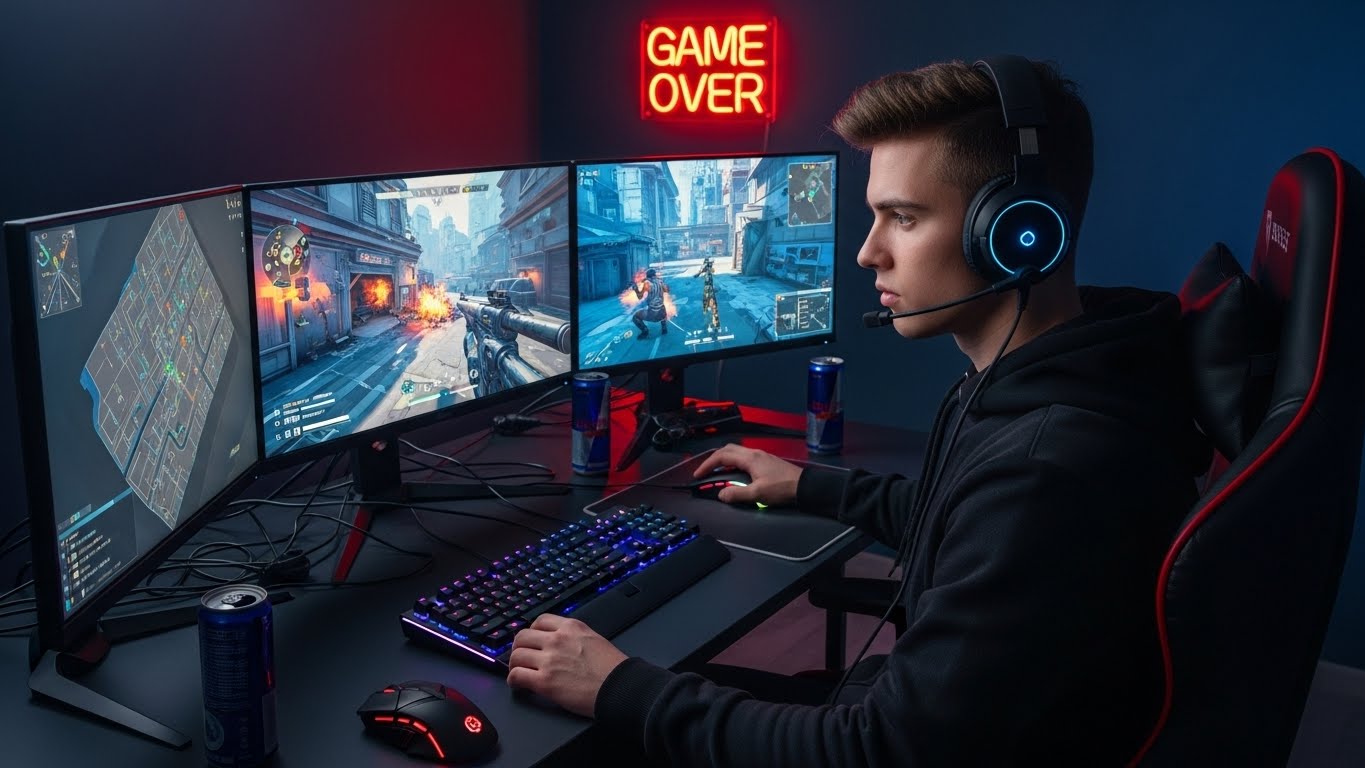
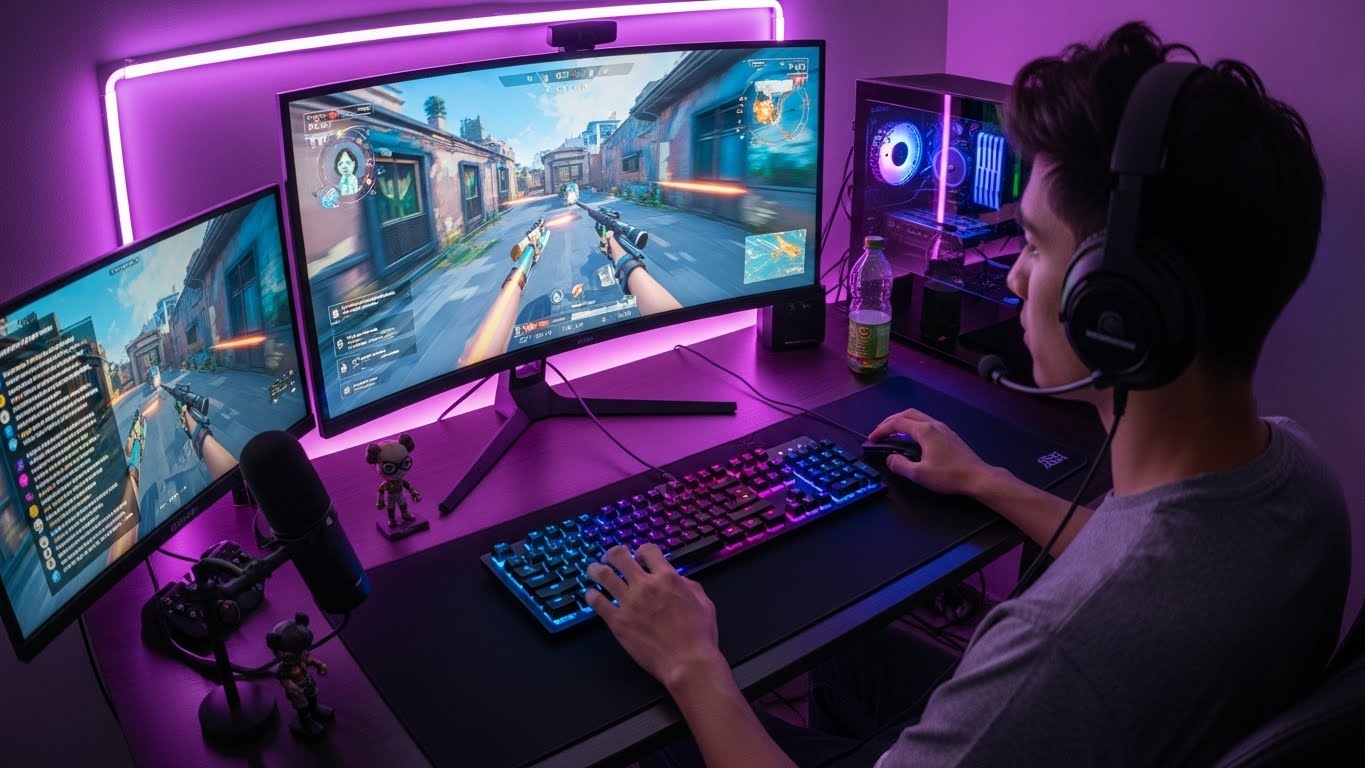
Gaming has evolved far beyond a simple pastime. Today, it stands as one of the most influential digital experiences of our era, shaping how we think, learn, compete, and even socialize. From sprawling open-world adventures to strategic multiplayer arenas, gaming offers more than entertainment—it offers a gateway to creativity, skill development, and connection. As technology continues to advance, gaming’s impact deepens, reshaping both individual lives and global culture.
The Evolution of Gaming: From Pixels to Immersive Universes
In the early days of gaming, simplicity ruled. Games relied on pixelated graphics and straightforward mechanics, yet they sparked a revolution. Over time, consoles, PCs, and mobile devices paved the way for more ambitious digital worlds. Today’s games deliver cinematic storytelling, lifelike visuals, and gameplay systems that push the limits of imagination.
What was once a niche hobby has now become a mainstream phenomenon. Gaming sits at the center of modern entertainment, surpassing movies and music in global revenue. But the true transformation is deeper: gaming is now a platform where stories unfold, players develop skills, and communities thrive.
Why We Play: The Psychology Behind Gaming’s Appeal
Humans are naturally drawn to challenges, rewards, and exploration—traits that games are purposely designed to engage. The reason gaming is so compelling comes down to a blend of psychology and digital craftsmanship.
Achievement and Progression
Games allow players to grow, level up, and accomplish tasks. This sense of progress triggers a natural dopamine response, encouraging perseverance and satisfaction.
Escape and Freedom
Gaming lets individuals step outside their real-world boundaries. Players can become heroes, explorers, strategists, or creators—identities that might feel unreachable in daily life.
Autonomy and Choice
Unlike passive media, gaming invites participation. Every decision feels meaningful, empowering players with control over their experience.
This combination of rewards, exploration, and agency forms a powerful emotional connection between players and the virtual worlds they inhabit.
Gaming as a Skill Builder: More Than Just Fun
Many still view gaming as a distraction, but studies and real-world examples prove otherwise. Gamers consistently sharpen valuable skills through interactive challenges.
Strategic Thinking and Planning
Strategy-heavy genres such as real-time strategy or tactical shooters require players to analyze situations, manage resources, and make split-second decisions.
Problem-Solving and Critical Reasoning
Puzzle and adventure games often demand lateral thinking and creativity. Players learn how to approach obstacles from new angles and adapt quickly.
Hand-Eye Coordination and Reflexes
Fast-paced games enhance reaction time, precision, and concentration. This can translate into better performance in activities requiring quick coordination.
Teamwork and Communication
Multiplayer gaming emphasizes cooperation. Whether leading a squad or supporting teammates, players develop communication, leadership, and collaboration skills.
These abilities often transfer to academic, professional, and personal environments, proving that gaming’s impact extends far beyond the screen.
The Rise of Esports: From Hobby to Global Competition
What started as casual competition among friends has transformed into an international sporting arena. Esports is now a billion-dollar industry with professional players, coaches, analysts, and massive audiences. Stadiums fill with fans cheering for their favorite teams, while millions watch matches online.
Esports demands dedication comparable to traditional sports. Players train rigorously, study strategies, and maintain mental discipline. Their achievements inspire younger generations and showcase gaming as a legitimate career path. This rise demonstrates how deeply gaming has woven itself into global culture.
Gaming Communities: A New Form of Social Connection
One of gaming’s most powerful elements is its ability to create communities. Players connect across countries and cultures, forming friendships that often extend into real life. Voice chats, in-game events, and online forums become spaces where people share experiences, celebrate victories, and support one another.
These communities help break down barriers. They offer spaces of belonging for individuals who may feel disconnected in their offline environments. It’s not uncommon for gamers to forge lifelong relationships through shared adventures and challenges.
The Creative Side of Gaming: A Playground for Imagination
Beyond playing, gaming inspires creativity. Many games allow players to design characters, build worlds, craft stories, and customize experiences. Some games even provide tools that feel like digital art studios or engineering workshops.
Players experiment with architecture, music, writing, and design. User-generated content, modding communities, and creative sandboxes show how gaming sparks imagination and encourages innovation. This creative freedom is one of the reasons gaming continues to grow in popularity and influence.
The Importance of Balance: Healthy Gaming Habits
While gaming offers countless benefits, maintaining balance is essential. Moderation ensures that gaming remains a positive part of life rather than an overwhelming one.
Healthy habits include setting time limits, taking breaks, maintaining physical activity, and ensuring responsibilities come first. When managed well, gaming enriches life instead of interfering with it.
Parents and young players can work together to create routines that support both enjoyment and well-being. Responsible gaming encourages discipline, focus, and self-awareness—values that extend into everyday life.
The Future of Gaming: A Glimpse Into Tomorrow
The future of gaming promises even greater innovation. Advancements in artificial intelligence, virtual reality, augmented reality, and cloud gaming signal a new wave of possibilities.
Games will become more immersive, more personalized, and more interconnected. Players may soon step into fully interactive virtual worlds, collaborate with AI companions, or experience gameplay shaped by their emotions and choices.
As technology evolves, gaming will continue to influence culture, education, work, and entertainment. What lies ahead is a future where gaming becomes an even more integrated part of daily life.
Conclusion: The Lasting Impact of Modern Gaming
Gaming is no longer just a hobby—it is a global force that shapes minds, builds skills, connects communities, and fuels imagination. From casual players to esports champions, from creative world-builders to strategic thinkers, everyone finds a place in the vast digital universe of gaming.
As the industry continues to innovate, gaming’s influence will only grow stronger. It will inspire new generations, drive technological evolution, and remain a cornerstone of modern culture. The digital battleground is not just where games unfold—it’s where stories, friendships, and futures are forged.