Gaming has transformed from a niche hobby into one of the most influential cultural and technological forces of the modern age. What once began as pixelated experiments in entertainment has now become a global phenomenon encompassing virtual reality, cinematic storytelling, professional esports, and massive online communities. The story of gaming is not just about technology; it is about imagination, connection, and the limitless potential of human creativity expressed through play.
The Dawn of Digital Play
The origins of gaming can be traced back to the laboratories and universities of the mid-twentieth century. The earliest digital games were experiments in programming rather than products for mass consumption. In 1958, physicist William Higinbotham created “Tennis for Two,” a simple simulation on an oscilloscope screen that allowed two players to bounce a dot back and forth. It was a novelty, but it hinted at something powerful — the idea that machines could be used not just for calculation, but for fun.
In the early 1970s, arcade machines brought digital play into public spaces. Games like Pong, Space Invaders, and Asteroids became symbols of a new entertainment form. The beeps and flashes of arcade halls created a communal experience around play, one that combined competition, excitement, and spectacle. For the first time, video games were not hidden in labs or universities — they were everywhere. People lined up with coins in hand, eager to test their reflexes and beat high scores.
The Rise of Home Consoles
As technology advanced, gaming moved from arcades to living rooms. The late 1970s and 1980s marked the beginning of the home console era. Systems like the Atari 2600, the Nintendo Entertainment System, and the Sega Master System brought gaming into the heart of family life. These consoles introduced iconic characters such as Mario, Sonic, and Link — figures that would become cultural legends for decades to come.
This era was defined by creativity within constraint. Developers worked with limited memory and processing power, yet they created experiences that were timeless. The chiptune music, colorful sprites, and simple controls gave birth to the language of gaming that continues to influence design today. Games were challenging but rewarding, demanding precision, patience, and imagination.
The Birth of Gaming Culture
As gaming spread, it developed its own culture. Magazines, fan clubs, and local competitions appeared, creating communities of players who shared strategies, secrets, and passion. Gaming was no longer just a pastime; it was becoming an identity. Kids debated the superiority of consoles, adults gathered for Dungeons & Dragons sessions, and arcades turned into social hubs for young people.
In this period, gaming began to shape the language of pop culture. Catchphrases, music, and art inspired by games began appearing in other media. The boundaries between gaming and the rest of entertainment started to blur. Players became creators, and the joy of mastering a difficult level or discovering a hidden secret became shared experiences passed through generations.
The Technological Explosion of the 1990s
The 1990s revolutionized gaming through the rise of 3D graphics, better sound design, and the expansion of storytelling. Games were no longer confined to two-dimensional spaces; they could create worlds. Titles like Super Mario 64, The Legend of Zelda: Ocarina of Time, and Final Fantasy VII set new standards for interactivity and emotional storytelling.
This was also the decade when the internet began to change how people played. Multiplayer gaming evolved from split-screen sessions to online arenas. The first online shooters and strategy games connected players across continents, forging friendships and rivalries that transcended geography. Gaming was becoming not just a personal experience but a social one.
Meanwhile, the PC emerged as a powerhouse platform for gaming. Games like Doom, Warcraft, and The Sims demonstrated the flexibility of personal computers as gaming machines. PC gaming allowed for modifications, custom maps, and community-created content, giving rise to one of the earliest forms of participatory digital culture.
The Era of Immersion and Realism
The 2000s ushered in a period of cinematic ambition and technical sophistication. Consoles like the PlayStation 2, Xbox, and later the PlayStation 3 and Xbox 360, brought graphics and sound closer to film quality. Developers began telling complex stories that explored mature themes, moral dilemmas, and emotional depth. Games like Metal Gear Solid, Halo, and Grand Theft Auto III demonstrated that gaming could deliver experiences as rich as cinema, if not more immersive.
At the same time, the expansion of online play gave rise to entire new genres. Massive multiplayer online games, or MMOs, became digital worlds inhabited by millions. Titles like World of Warcraft and Runescape offered living universes where players could explore, trade, and cooperate in real time. These games blurred the line between fiction and reality, between player and character.
Handheld gaming also flourished. Devices like the Game Boy Advance, PlayStation Portable, and later the Nintendo DS made gaming portable and personal. Commuters, students, and travelers could carry worlds in their pockets. The accessibility of handheld devices ensured that gaming was no longer restricted to a single screen or location — it became a lifestyle.
The Social Revolution: Gaming in the Age of Connectivity
As broadband internet became widespread, gaming entered a social revolution. Online gaming evolved from a novelty to a central feature of the industry. Games like Call of Duty, Counter-Strike, and League of Legends became competitive platforms that drew millions of players daily. Voice chat, online lobbies, and clans transformed games into digital communities, where players could socialize as easily as they could compete.
Social media also amplified gaming’s reach. Players began sharing their achievements, clips, and commentary with the world. Platforms that allowed game streaming turned players into entertainers. The birth of content creation around games — through streaming and commentary — gave rise to a new form of celebrity: the gamer as influencer. The boundaries between player, creator, and viewer dissolved into a shared experience of entertainment.
The mobile revolution added yet another dimension. Smartphones made gaming universal. Titles like Angry Birds, Candy Crush, and Clash of Clans proved that simple mechanics and accessibility could reach billions. Gaming was no longer defined by hardcore skill or complex hardware; it was for everyone. It became an essential part of daily life, accessible to children, adults, and seniors alike.
The Rise of Esports
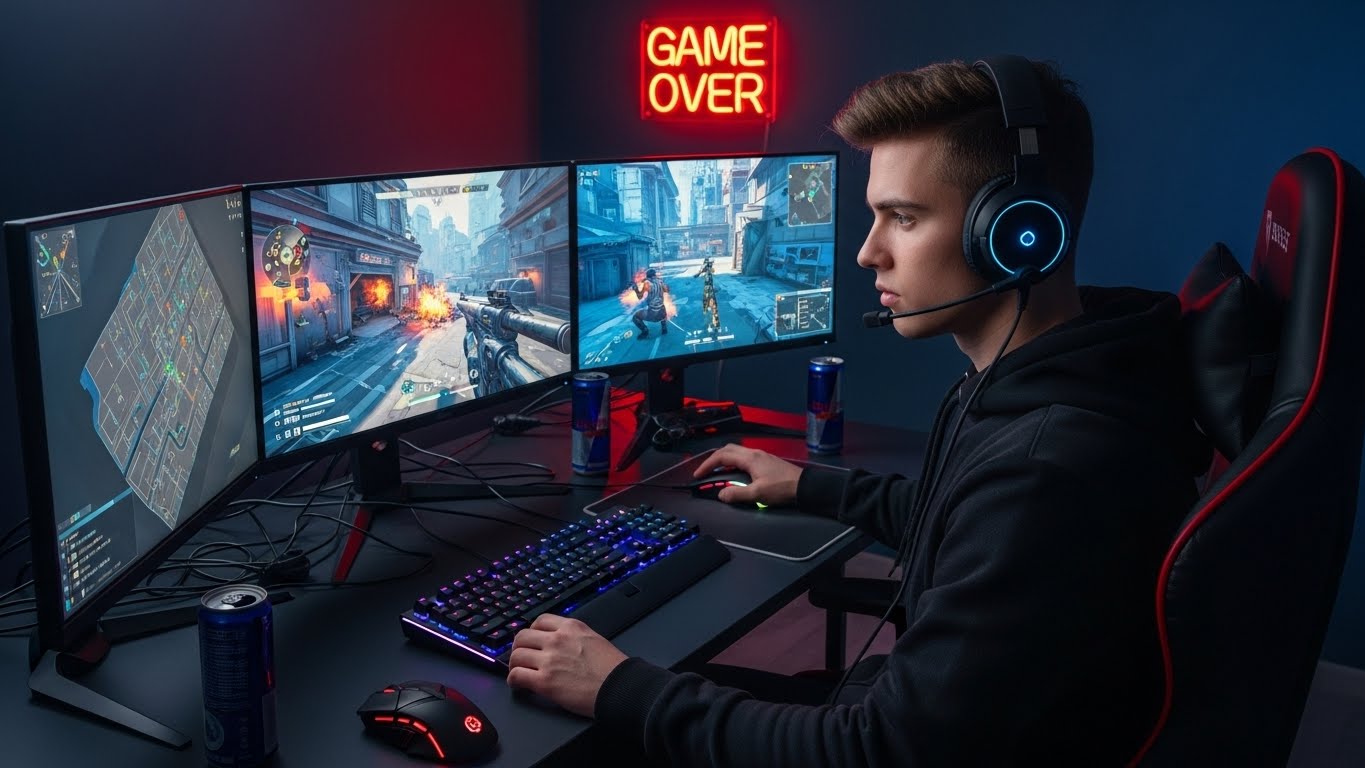
From local competitions in the 1980s to global tournaments filling entire stadiums, competitive gaming has evolved into a professional sport. Esports has redefined what competition means in the digital age. Players train rigorously, teams strategize, and fans cheer for their favorite athletes in games ranging from first-person shooters to strategy titles.
Esports represents the perfect blend of skill, technology, and entertainment. Matches are broadcast live to millions of viewers around the world, complete with commentators, sponsorships, and massive prize pools. Universities offer scholarships for esports players, and major media networks cover tournaments with the same enthusiasm reserved for traditional sports.
The success of esports also highlights how gaming has matured into a legitimate global industry. It is no longer a subculture but a mainstream phenomenon, recognized by corporations, governments, and educational institutions alike.
The Artistic Side of Gaming
While many people focus on the competitive or technical aspects of gaming, it is important to recognize its artistic side. Games are one of the most complex forms of art ever created. They combine visual design, music, narrative, performance, and interactivity into a single medium. Unlike film or literature, games allow players to shape the outcome through their actions, creating a unique experience every time.
Independent developers have played a crucial role in pushing the artistic boundaries of gaming. Freed from corporate constraints, indie creators experiment with storytelling, style, and emotion. Games like Journey, Celeste, and Hollow Knight show that gaming can be deeply personal, reflective, and emotionally moving. These works demonstrate that a game does not need a massive budget to be meaningful; it simply needs vision and heart.
The artistry of gaming also extends into soundtracks, voice acting, and design. The orchestral music of games is performed in concert halls; the architecture of virtual worlds inspires real-world design. The influence of gaming aesthetics can be seen in fashion, film, and even architecture. The digital and physical worlds now mirror one another through the creative impact of gaming.
Gaming as a Social Connector
One of the most remarkable transformations in gaming is its role as a social connector. In a world where people are often separated by distance or circumstance, games provide a shared space for connection. Multiplayer worlds allow friends and families to gather even when physically apart. Cooperative games encourage teamwork and empathy, while competitive games teach communication and strategy.
During moments of crisis or isolation, gaming has proven to be a source of comfort and companionship. Players can meet, talk, and build friendships across languages and cultures. Gaming communities are often more diverse than they appear, bringing together people from every corner of the world in shared experiences of challenge and joy.
The Psychological Impact of Gaming
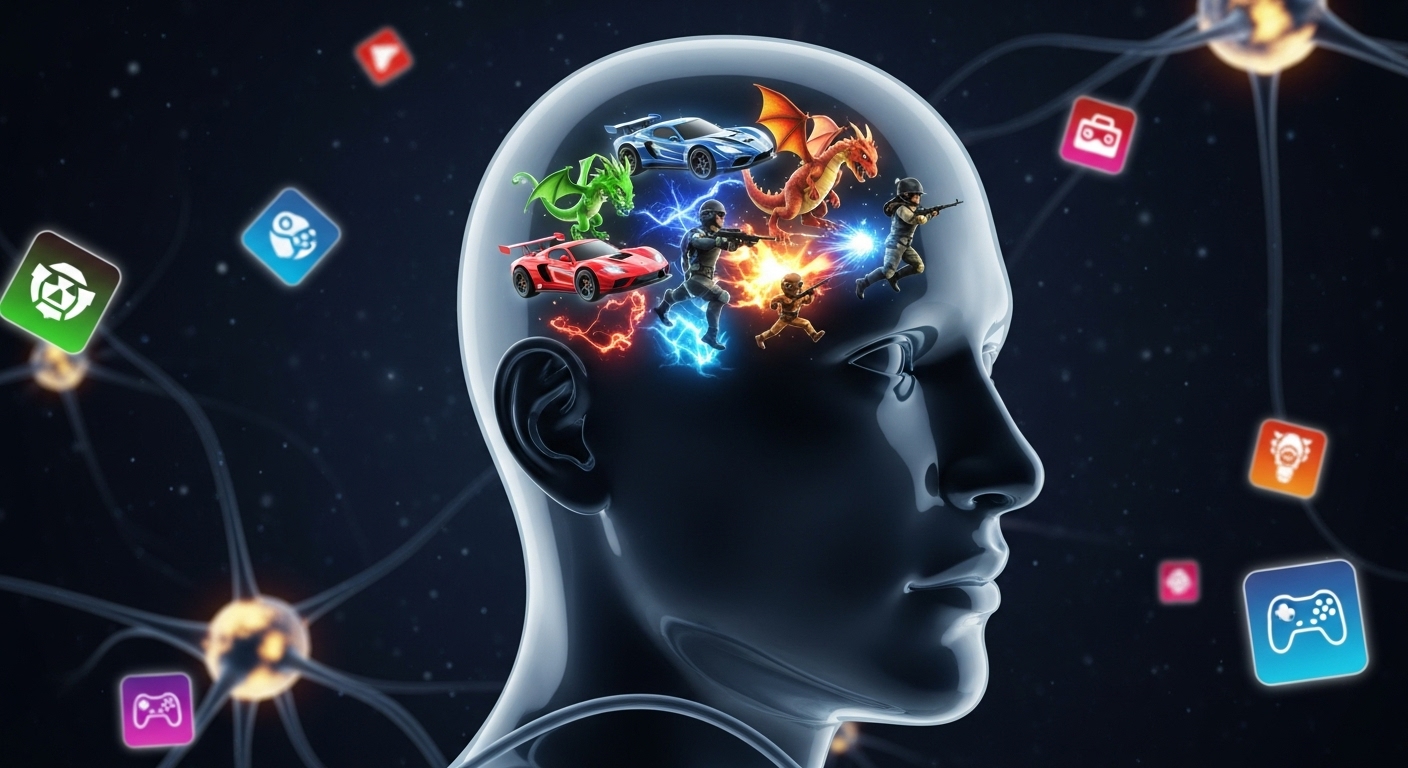
Like any powerful medium, gaming has both positive and complex psychological effects. On one hand, it offers cognitive benefits — improved problem-solving, spatial awareness, and reaction time. It fosters creativity and resilience through trial and error. On the other hand, excessive play or unhealthy competition can lead to issues of addiction or social withdrawal.
The key lies in balance and understanding. When treated as an art form or social space rather than an escape, gaming becomes a tool for growth and connection. It is increasingly being used in education, therapy, and even medicine. Interactive simulations help train surgeons, teach students history, and assist patients in recovery. The potential of gaming extends far beyond entertainment.
The Modern Gaming Industry
Today, gaming is one of the largest industries on the planet, surpassing film and music combined. It encompasses everything from blockbuster releases to indie projects, from console gaming to virtual reality. Studios employ thousands of artists, writers, and engineers to craft immersive worlds. The economic power of gaming is immense, but its cultural power is even greater.
Modern game design emphasizes inclusivity and diversity. Developers are creating stories that represent a wider range of human experiences. Characters come from different backgrounds, genders, and identities, reflecting the world’s complexity. The language of gaming has become universal — one that transcends words, connecting people through shared play and imagination.
The Future: Virtual Worlds and Beyond
As technology continues to evolve, so too does gaming. Virtual reality, augmented reality, and artificial intelligence are reshaping the boundaries of what is possible. VR headsets immerse players completely in digital environments, while AR games blend the virtual and real worlds seamlessly. AI enhances realism, creating dynamic worlds that respond to a player’s every decision.
The future may see the rise of persistent virtual worlds — digital spaces that exist continuously, evolving even when players are offline. These metaverse-like environments could redefine how people work, learn, and socialize. Gaming will likely become not just an entertainment medium but an integral part of digital life.
Cloud gaming is also transforming accessibility. Players no longer need expensive hardware to experience high-quality games. Streaming services allow anyone with a stable internet connection to explore massive worlds instantly. This democratization of gaming ensures that creativity and play will reach every corner of the globe.
The Philosophy of Play
Beneath the graphics, competition, and spectacle, gaming speaks to something ancient and universal: the human need to play. From childhood games to digital adventures, play is how people learn, experiment, and express themselves. Gaming is the modern continuation of that timeless impulse, enhanced by technology but rooted in imagination.
Every player, whether casually enjoying a puzzle game or competing in an international tournament, participates in the same human story — the pursuit of challenge, creativity, and connection. Gaming reminds us that play is not a distraction from life; it is a vital part of it.
Conclusion: The Infinite Game
Gaming is not just a form of entertainment; it is a mirror reflecting human creativity, community, and curiosity. It has evolved from simple pixels into a universe of limitless possibility. As technology continues to advance, gaming will remain at the frontier of how people interact with art, technology, and each other.
From the arcades of the past to the virtual worlds of tomorrow, gaming’s journey is one of imagination made real. It unites people through play, challenges minds, and inspires dreams. In every sense, gaming is an infinite game — one that continues to evolve, expand, and redefine what it means to play.