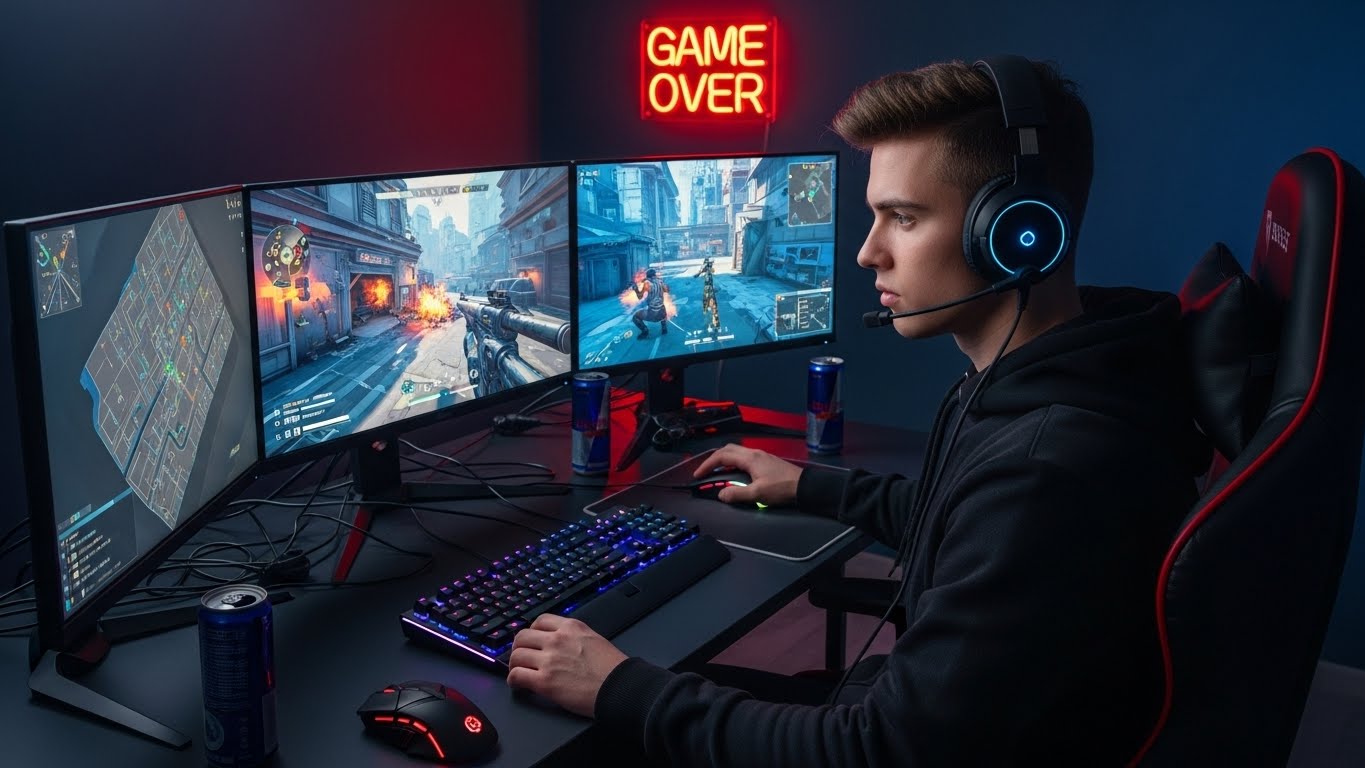

Video gaming has evolved dramatically over the last few decades, transforming from a niche hobby into a mainstream cultural phenomenon. What was once seen as a pastime for children and enthusiasts is now a global industry that influences entertainment, technology, education, and even social interaction. Modern gaming combines storytelling, strategy, competition, and technology, offering experiences that are immersive, interactive, and sometimes life-changing. This blog explores the impact of gaming on society, culture, mental development, and the economy while highlighting why gaming has become a central part of modern life.
The Evolution of Gaming
Gaming has a rich history that spans several decades. In the 1970s and 1980s, video games like Pong, Space Invaders, and Pac-Man dominated arcades and early home consoles. These games were simple in design but laid the foundation for interactive entertainment. The 1990s saw the rise of consoles like the Super Nintendo, Sega Genesis, and PlayStation, which introduced more complex graphics, narratives, and gameplay mechanics.
With the advent of the internet, online multiplayer games such as Counter-Strike, World of Warcraft, and StarCraft allowed players to connect and compete globally. Today, gaming has expanded into virtual reality, cloud gaming, and mobile platforms, making it accessible to millions of people worldwide. This evolution reflects not only technological advancements but also the growing cultural and social relevance of gaming.
Gaming as a Form of Entertainment
At its core, gaming is a form of entertainment. Modern games provide immersive experiences that rival movies, books, and other traditional media. Story-driven games offer rich narratives and character development, allowing players to explore complex worlds and make choices that affect outcomes. Action and adventure games provide excitement, challenge, and adrenaline-pumping experiences.
Simulation and strategy games allow players to experiment with problem-solving, resource management, and creativity in safe environments. Gaming also offers a personalized form of entertainment, where players can choose genres, difficulty levels, and modes that suit their preferences. Unlike passive forms of media, gaming engages players actively, making them participants rather than observers.
Cognitive and Mental Benefits of Gaming
Contrary to outdated stereotypes, gaming has numerous cognitive and mental benefits. Many games require problem-solving, critical thinking, and strategic planning. Puzzle games, role-playing games, and strategy games challenge the brain, enhancing memory, focus, and logical reasoning.
Fast-paced action and multiplayer games improve hand-eye coordination, reflexes, and reaction times. Additionally, games that require teamwork and communication foster collaboration, leadership, and social skills. Gaming can also provide stress relief, as players immerse themselves in engaging experiences that offer escapism and relaxation. Studies have shown that moderate gaming can improve mental agility, decision-making, and adaptive thinking, making it a valuable tool for personal development.
Social and Community Aspects of Gaming
Gaming has a unique ability to bring people together, fostering social connections and community engagement. Online multiplayer games allow players to collaborate and compete with others from around the world. Friendships, clans, and gaming communities are formed through shared experiences, teamwork, and competition.
Esports, or competitive gaming, has further amplified the social dimension of gaming. Professional tournaments and live-streamed events attract millions of viewers, creating a global audience that celebrates skill, strategy, and sportsmanship. Gaming communities often extend beyond the screen, with forums, social media groups, and fan conventions providing spaces for enthusiasts to connect, share content, and celebrate their passions.
Gaming and Education
Gaming is increasingly recognized as a powerful educational tool. Educational games and gamified learning platforms make complex concepts more engaging and interactive. Subjects such as math, science, language, and history can be taught through immersive simulations and interactive storytelling.
Even mainstream games contribute to learning indirectly. Strategy games teach resource management, planning, and critical thinking, while collaborative multiplayer games develop teamwork and communication skills. The incorporation of virtual reality and simulation in educational settings allows students to explore environments and scenarios that would be impossible or impractical in real life. Gaming is therefore not only a source of entertainment but also a medium for learning and personal growth.
The Economic Impact of Gaming
Gaming has evolved into a multi-billion-dollar global industry. Revenue is generated through console and PC sales, mobile games, in-game purchases, subscriptions, merchandise, and esports tournaments. Game development itself creates employment opportunities for programmers, designers, writers, artists, and marketers.
Esports and streaming platforms contribute to the economy by offering professional careers and monetization opportunities. Influencers, content creators, and professional gamers generate income while attracting sponsorships and partnerships with global brands. Gaming has become a legitimate economic sector, contributing to technological innovation, media, and entertainment on a global scale.
Emerging Technologies in Gaming
Modern gaming is closely intertwined with cutting-edge technology. Virtual reality (VR) and augmented reality (AR) provide immersive experiences that blur the lines between the digital and physical worlds. Cloud gaming and streaming services allow players to access high-quality games without expensive hardware, increasing accessibility and convenience.
Artificial intelligence (AI) enhances gameplay by creating smarter opponents, adaptive environments, and personalized experiences. Motion-sensing technology, haptic feedback, and advanced graphics engines continue to elevate realism and immersion, creating experiences that are increasingly lifelike and engaging. Emerging technologies are not only shaping the way games are played but also how players interact with virtual worlds.
Mental Health and Gaming
While gaming offers many benefits, it is important to maintain a balanced approach. Excessive gaming can lead to physical strain, sleep disturbances, and social isolation. Professional organizations and mental health experts emphasize moderation and responsible gaming habits to prevent negative effects.
Gaming can also have positive impacts on mental health when approached responsibly. It provides social engagement, emotional release, and cognitive stimulation. Games designed for mindfulness, stress reduction, or therapeutic purposes are increasingly recognized as valuable tools for mental wellness. Balancing gaming with physical activity, social interaction, and other responsibilities ensures that it remains a healthy and enriching activity.
The Role of Women in Gaming
The gaming industry has historically been male-dominated, but the presence of women in gaming is growing rapidly. Female gamers, developers, and content creators are gaining recognition, challenging stereotypes and fostering inclusivity. Initiatives that support women in gaming provide mentorship, visibility, and career opportunities, encouraging broader participation.
Diversity in gaming enriches the industry by introducing varied perspectives, narratives, and experiences. Representation matters, and inclusive gaming communities inspire younger generations to pursue careers and hobbies in a space that celebrates talent regardless of gender.
Gaming and Cultural Influence
Gaming has a profound cultural impact, influencing art, music, storytelling, and social trends. Popular games inspire fan art, cosplay, and creative content that extends beyond the digital world. Gaming culture has become a major influence on fashion, entertainment, and media, shaping how people interact, create, and express themselves.
Games often reflect societal themes, ethical dilemmas, and cultural narratives, providing a medium for exploration and discussion. Gaming has become a platform for storytelling and creativity, allowing players to engage with complex themes and immerse themselves in unique worlds.
The Future of Gaming
The future of gaming promises even more innovation, accessibility, and immersive experiences. Technologies such as virtual reality, cloud gaming, AI-driven experiences, and cross-platform play will continue to redefine gameplay. Mobile gaming will expand in regions with high smartphone adoption, making gaming more accessible to diverse audiences.
Esports will continue to grow, with larger audiences, higher stakes, and greater global recognition. Educational and therapeutic applications of gaming will also expand, demonstrating the medium’s versatility beyond entertainment. As technology advances, gaming will evolve into an even more integrated part of society, influencing culture, communication, and personal development.
Conclusion: Gaming as a Transformative Medium
Gaming has grown far beyond its origins as a casual pastime. It is a medium that entertains, educates, and connects people worldwide. It develops cognitive skills, fosters social interaction, supports economic growth, and drives technological innovation. Gaming culture enriches society by inspiring creativity, storytelling, and cultural engagement.
Responsible gaming offers benefits for mental health, education, and personal development, while professional gaming provides careers and global recognition for talented individuals. As gaming continues to evolve, it reinforces the importance of technology, creativity, and social connection in the modern world. Gaming is not just a hobby—it is a transformative medium that shapes lives, cultures, and the future of entertainment.