Introduction: The Evolution of Gaming
Gaming has evolved far beyond a mere hobby; it has become a cultural phenomenon that shapes how people learn, socialize, and express themselves. From the earliest arcade machines to the immersive virtual worlds of today, gaming reflects technological innovation, artistic creativity, and human curiosity. Once considered a pastime for children and teens, gaming now engages millions of people across age groups and backgrounds. It offers interactive experiences that challenge the mind, inspire creativity, and build social connections. The world of gaming is no longer confined to screens—it has become a dynamic force influencing education, culture, and even career opportunities.
A Brief History of Gaming
The history of gaming traces back centuries, with early forms including board games, card games, and traditional sports. The 1970s and 1980s marked the emergence of arcade and console games, introducing competitive play and storytelling through technology. Titles like Pong, Pac-Man, and Super Mario Bros laid the foundation for interactive entertainment. The 1990s brought the rise of multiplayer games, connecting players through local networks and eventually the internet. Today, gaming encompasses genres as diverse as action, strategy, role-playing, simulation, and esports. This evolution highlights not just technological advancements but also gaming’s growing significance in modern culture.
Cognitive Benefits of Gaming
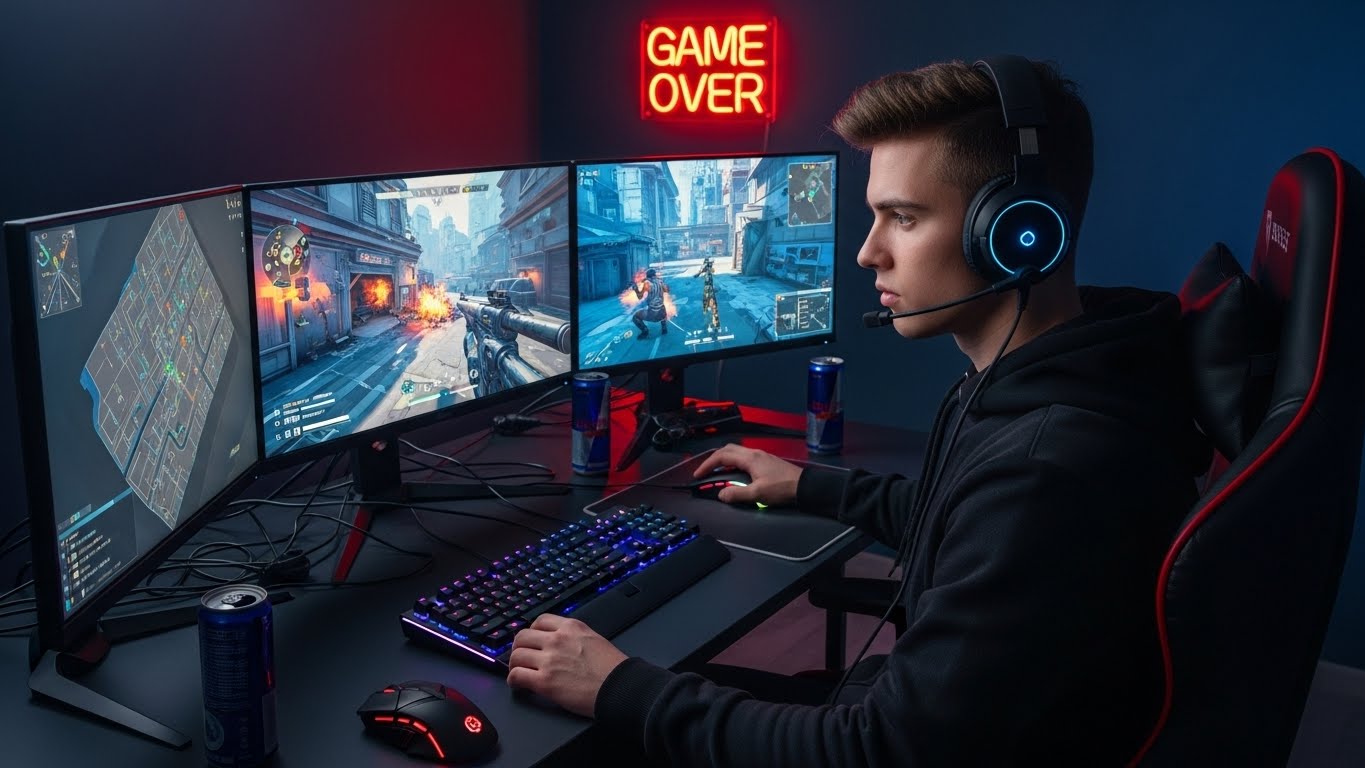
Gaming is often seen purely as entertainment, but it has significant cognitive benefits. Many games require critical thinking, problem-solving, and strategic planning. Puzzle games and strategy titles enhance logical reasoning and adaptive thinking, while action games improve hand-eye coordination and reaction time. Multiplayer games encourage teamwork, communication, and decision-making under pressure. These mental exercises help develop skills that extend beyond gaming, improving focus, memory, and analytical thinking in real-world contexts. Gaming stimulates the mind in ways that are both challenging and enjoyable, making it a powerful tool for cognitive growth.
Emotional and Psychological Impact
The immersive nature of gaming also contributes to emotional and psychological development. Story-driven games allow players to experience complex narratives, make ethical choices, and explore diverse perspectives. Successes in gameplay create a sense of achievement and boost self-esteem, while challenges foster resilience and persistence. Gaming provides a safe environment for risk-taking, experimentation, and failure, all of which contribute to personal growth. Furthermore, interactive worlds offer stress relief and relaxation, allowing players to disconnect from daily pressures and experience joy and engagement in a controlled, enjoyable setting.
Social Connectivity Through Gaming
Modern gaming is not a solitary activity. Online multiplayer platforms and community forums allow players to connect, collaborate, and compete with others worldwide. Cooperative gameplay develops communication, empathy, and teamwork skills, while competitive environments teach sportsmanship and strategic negotiation. Gaming communities provide social support, mentorship, and shared experiences, fostering friendships that often extend beyond the virtual world. Through these interactions, gaming becomes a platform for socialization, collaboration, and cultural exchange, demonstrating its value as more than just a personal pastime.
The Rise of Esports
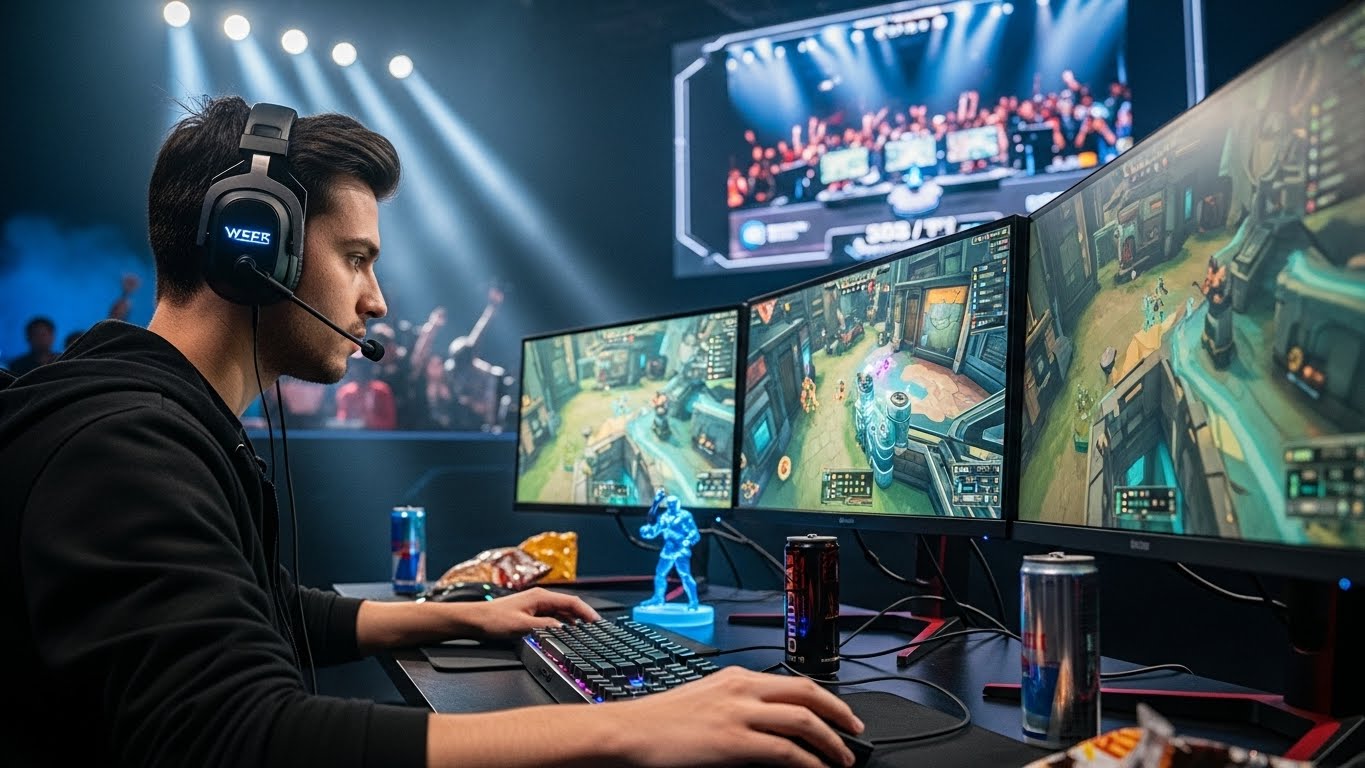
Esports has transformed gaming into a professional and competitive industry. Professional gamers train rigorously to compete in tournaments that draw global audiences and substantial prize money. Success in esports requires discipline, strategy, communication, and adaptability—skills comparable to those in traditional sports. Beyond playing, esports offers career paths in coaching, event management, streaming, and content creation. The rise of esports underscores the legitimacy of gaming as a serious intellectual and professional pursuit, attracting investment, sponsorships, and media attention worldwide.
Gaming as a Creative Outlet
Gaming fosters creativity in unique ways. Sandbox games, role-playing adventures, and world-building titles allow players to design environments, craft narratives, and experiment with mechanics. Even competitive games encourage innovative strategies and adaptive problem-solving. By providing an interactive canvas, gaming empowers players to explore imagination, test ideas, and develop skills in storytelling, design, and innovation. These creative experiences often translate to real-world applications, enhancing artistic, technical, and strategic abilities.
Educational Potential of Gaming
Games have immense educational value, offering interactive learning opportunities. Educational and “serious” games teach subjects such as mathematics, science, history, and languages through engaging simulations. Mainstream games also promote cognitive development, critical thinking, and decision-making. Gamification techniques—using rewards, challenges, and progress tracking—motivate learners and enhance engagement. By merging entertainment with education, games provide an immersive platform for learning that goes beyond traditional classroom methods.
The Cultural Impact of Gaming
Gaming has become a central aspect of modern culture. Popular game releases generate global attention, inspire fan art, cosplay, music, and digital storytelling, and create shared cultural experiences. Gaming conventions, live streams, and online communities foster engagement and collective identity. Games reflect societal trends, ethical dilemmas, and cultural narratives, while also influencing media, fashion, and social interaction. The cultural significance of gaming demonstrates its ability to shape values, identity, and creative expression in ways that extend beyond the screen.
Challenges in Gaming
While gaming has many benefits, it also presents challenges. Excessive gameplay can lead to physical inactivity, disrupted sleep patterns, and social withdrawal. Gaming addiction, though rare, is a concern that requires awareness and balance. It is crucial to encourage moderation, establish healthy gaming habits, and integrate gaming with other aspects of life such as education, work, and physical activity. Understanding both the positive and potential negative effects of gaming ensures that players can enjoy its benefits responsibly.
The Role of Technology in Gaming
Technology drives the evolution of gaming, enabling immersive and interactive experiences. High-performance computers, gaming consoles, virtual reality, and augmented reality create realistic, dynamic worlds. Online connectivity allows multiplayer interactions and global competitions, while streaming platforms provide engagement for millions of viewers. Advances in artificial intelligence and adaptive gameplay offer personalized experiences and smarter challenges. Technology not only enhances gameplay but also expands the cultural and social reach of gaming, making it accessible and relevant to diverse audiences.
Gaming and Personal Development
Gaming contributes to personal growth by building resilience, strategic thinking, and problem-solving skills. Emotional engagement with narratives enhances empathy and perspective-taking, while competitive play encourages perseverance, discipline, and goal-setting. Multiplayer games teach collaboration, communication, and leadership skills. These experiences translate into life skills that improve academic, professional, and personal performance. Gaming, therefore, serves as both a source of enjoyment and a platform for meaningful development.
The Future of Gaming
The future of gaming is bright and continually evolving. Virtual reality, cloud gaming, and augmented reality promise more immersive and interactive experiences. Artificial intelligence is enhancing gameplay with smarter opponents, adaptive narratives, and personalized challenges. Gaming will continue to expand in education, social engagement, and professional opportunities. As technology advances, gaming will remain a central part of entertainment, culture, and personal growth, influencing how people interact, learn, and experience digital worlds.
Conclusion: Gaming as a Transformative Medium
Gaming is more than a leisure activity—it is a dynamic medium that engages minds, fosters creativity, builds social connections, and influences culture. From cognitive benefits and emotional growth to social engagement and professional opportunities, gaming impacts multiple facets of human life. By embracing gaming responsibly, individuals can enjoy entertainment while developing valuable skills and experiences. In a rapidly changing world, gaming offers a unique platform to explore imagination, challenge oneself, and connect with communities worldwide. It is not just a game—it is a transformative experience that shapes lives, culture, and society.