
Gaming has undergone an incredible transformation over the past few decades. What began as a simple form of entertainment for the tech enthusiasts and arcade lovers has grown into one of the world’s largest and most influential industries. The progression from pixelated graphics to hyper-realistic 3D worlds is not just a technological achievement but a cultural revolution that has impacted millions of people globally. In this blog post, we will explore how gaming has evolved, how it has shaped our culture, and what the future might hold for this ever-growing medium.
The Humble Beginnings: The Rise of Arcade Games
In the early days of video gaming, the technology was rudimentary, but the potential was undeniable. The first commercial video game, Pong, released in 1972, was a simple game of digital ping-pong. Despite its simplicity, it was a massive hit and set the stage for the gaming industry to take its first steps. Soon after, arcade machines began to flood public spaces like malls, restaurants, and entertainment centers. Games such as Pac-Man, Space Invaders, and Donkey Kong became iconic, representing an era where gaming was a social activity shared in public spaces. These early games were often limited in their mechanics and graphics, but they laid the groundwork for the vibrant industry that would follow.
The transition to home consoles brought gaming into millions of homes with devices like the Atari 2600, Nintendo Entertainment System (NES), and Sega Genesis. While these systems featured simple 8-bit and 16-bit graphics, they allowed players to immerse themselves in unique worlds without needing to leave the comfort of their own living rooms. Games like Super Mario Bros., The Legend of Zelda, and Sonic the Hedgehog became cultural icons during this time, shaping the foundation for what gaming would become.
The 3D Revolution: A New Dimension of Gaming
As technology advanced, so did the capabilities of gaming hardware. The 1990s marked a key moment in the history of gaming with the arrival of 3D graphics. Titles like Super Mario 64 and The Legend of Zelda: Ocarina of Time redefined what players could expect from their gaming experience. These games featured expansive, fully realized 3D worlds that players could explore and interact with, adding a new sense of depth to the gaming experience.
Consoles like the Sony PlayStation and Nintendo 64 allowed developers to create games that were more dynamic, immersive, and visually complex than ever before. This era also saw the birth of major franchises like Final Fantasy, Metal Gear Solid, and Gran Turismo, which demonstrated how gaming could offer not only entertainment but also intricate storytelling, character development, and emotional engagement.
This era also marked the beginning of the genre diversity we see today. From racing simulators to RPGs, and from first-person shooters to platformers, the variety of genres available on 3D consoles attracted a much broader audience, shifting gaming away from just being a niche hobby to a mainstream form of entertainment.
The Emergence of Online Gaming: Connecting the World
As internet speeds improved and connectivity became more widespread, gaming began to evolve beyond single-player experiences. The late 1990s and early 2000s introduced a new era in which players could connect with each other across vast distances. Online multiplayer games like World of Warcraft, Counter-Strike, and Halo 2 brought players together to compete or cooperate in digital worlds. This revolutionized gaming, not only changing how we play but also transforming gaming into a social activity that extended far beyond one’s immediate physical surroundings.
The rise of online gaming also ushered in the era of live services and downloadable content (DLC), as developers could now update games in real-time with new features, events, and challenges. This made gaming a dynamic and constantly evolving medium, where communities of players could interact, compete, and engage with new content long after a game’s initial release.
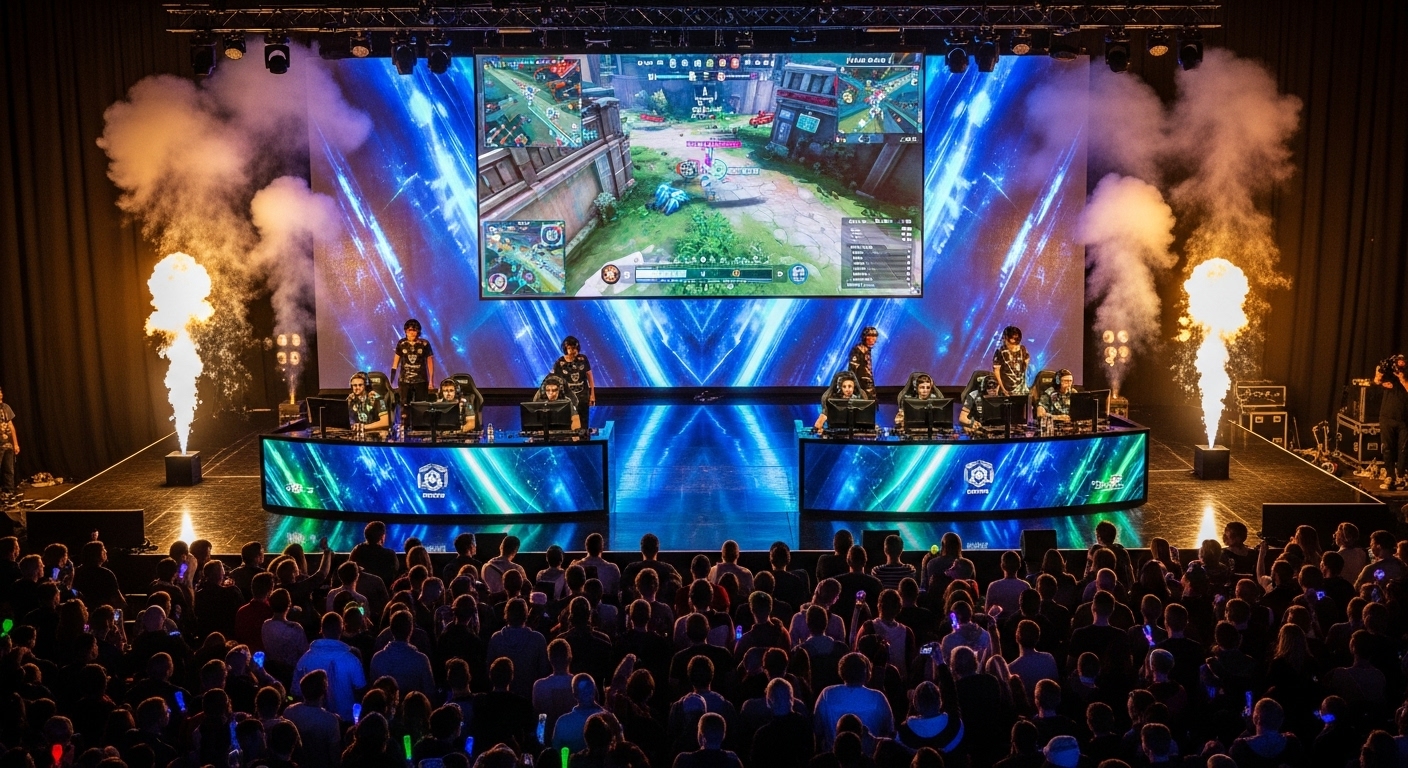
Along with multiplayer gaming came the boom of esports. Professional players began competing in global tournaments, with games like League of Legends, Dota 2, and Overwatch drawing millions of viewers. Esports now represents a billion-dollar industry, with millions of fans tuning in to watch high-stakes tournaments. Esports players are now as celebrated as traditional athletes, and gaming has cemented its place as a global, competitive sport.
Mobile Gaming: Gaming in the Palm of Your Hand
The next major step in the evolution of gaming came with the rise of smartphones. Games like Angry Birds, Clash of Clans, and Candy Crush Saga made gaming more accessible than ever, bringing it directly to millions of people via their mobile devices. Unlike traditional consoles or PCs, mobile phones are portable, meaning that gaming could now take place anywhere and anytime. This shift revolutionized the gaming landscape by attracting an entirely new audience: casual gamers who may not have previously considered themselves gamers.
Mobile gaming also popularized free-to-play models, where games could be downloaded for free but included microtransactions that allowed players to buy in-game items, power-ups, or cosmetic upgrades. This business model proved to be incredibly lucrative for developers and has since spread to other areas of gaming, including PC and console platforms.
The success of mobile gaming has also paved the way for more complex and graphically advanced titles, such as Genshin Impact and PUBG Mobile, which show that mobile games are no longer confined to simple puzzles or arcade-style experiences. The advent of mobile gaming has undoubtedly broadened the demographic of gamers, attracting people from all walks of life.
Virtual Reality and Augmented Reality: The Future of Immersion
As gaming technology continues to advance, virtual reality (VR) and augmented reality (AR) have emerged as the next frontiers for immersive gaming experiences. VR allows players to enter entirely new worlds using specialized headsets and motion-tracking controllers, offering a level of immersion that is unmatched by traditional gaming. Games like Half-Life: Alyx and Beat Saber have demonstrated the potential of VR, allowing players to experience games in a way that feels as if they’re physically part of the action.
On the other hand, augmented reality blends the digital and physical worlds, enabling players to interact with virtual elements that appear in their real environment. Pokémon GO is one of the most successful examples of AR gaming, encouraging players to explore their surroundings and interact with virtual creatures in real-world locations.
Though VR and AR technologies are still in their infancy, they offer exciting possibilities for the future of gaming. As these technologies mature, we could see fully immersive virtual worlds that rival the complexity of the real world itself. The potential for innovation in this space is limitless, and it’s an exciting time to be a part of the gaming community.
Gaming’s Cultural Impact: More Than Just Play
Gaming is no longer just a pastime; it’s become a cultural touchstone. With the rise of social media, streaming platforms, and content creators, gaming has evolved into a shared experience where players can connect, compete, and create together. Platforms like Twitch and YouTube have made it possible for gamers to build massive communities and share their experiences with others, whether through playthroughs, tutorials, or live-streamed tournaments.
The influence of gaming extends beyond just the screen. Characters, storylines, and even music from games have become integral parts of modern pop culture. Iconic franchises like Super Mario, The Legend of Zelda, and Final Fantasy have transcended their original platforms and have found their way into movies, TV shows, and even theme parks.
Moreover, gaming has been increasingly recognized for its potential to tell stories in unique and powerful ways. Narrative-driven games like The Last of Us, Red Dead Redemption 2, and God of War have garnered critical acclaim for their complex characters and emotional storytelling, often compared to the best works in cinema and literature.
What’s Next for Gaming?
Looking ahead, the future of gaming holds many exciting possibilities. With the development of faster internet speeds, cloud gaming services like Google Stadia and Xbox Cloud Gaming are paving the way for gaming to become even more accessible, allowing players to stream high-quality games without the need for expensive hardware. Furthermore, advances in AI, machine learning, and procedural generation could lead to even more dynamic and personalized gaming experiences.
As virtual reality and augmented reality continue to evolve, we could soon see a world where the line between the digital and physical worlds blurs even further. Whether through fully immersive virtual environments or games that enhance our interactions with the real world, the future of gaming is bound to be as innovative and exciting as its past.
Conclusion: Gaming’s Journey Continues
From its modest beginnings in the arcades to the expansive virtual worlds of today, gaming has come a long way. It has grown into an influential medium that entertains, connects, and inspires millions worldwide. As technology continues to advance and new innovations emerge, the future of gaming looks brighter than ever. Whether you’re a hardcore gamer or someone who enjoys the occasional mobile game, one thing is certain: the journey of gaming is far from over.