Introduction: A World Beyond the Console
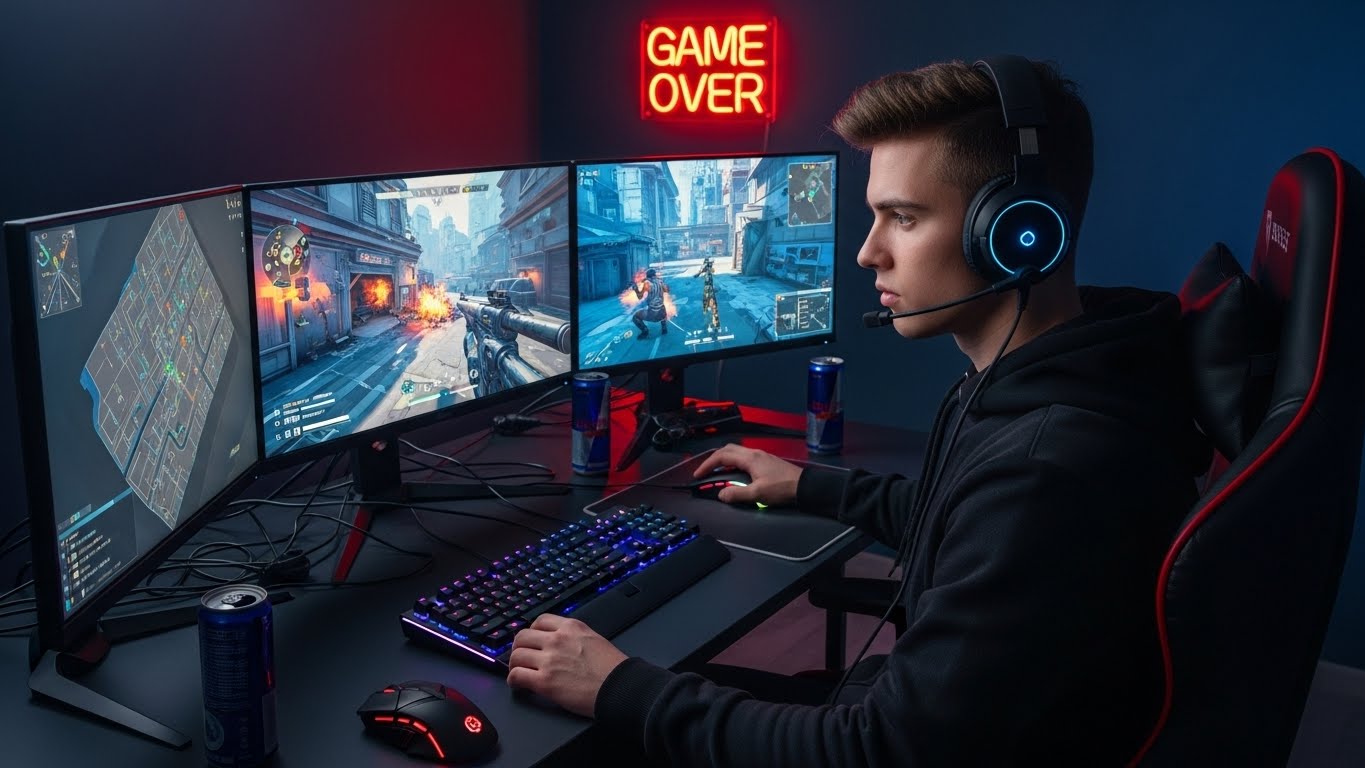
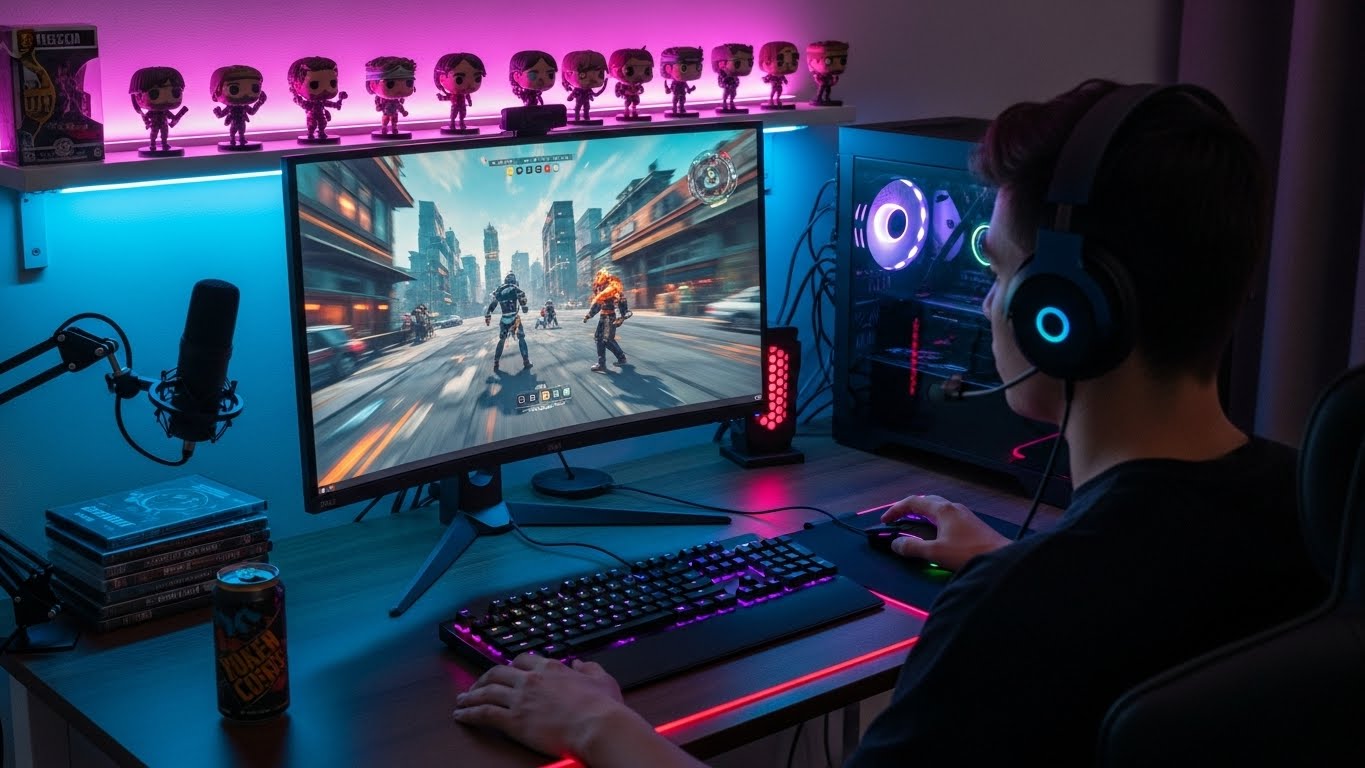
Gaming has evolved from a simple leisure activity into a cultural phenomenon that influences how people think, feel, connect, and create. What was once considered a pastime for children has become a global force, shaping industries, sparking innovations, and building communities that transcend borders. Today’s gaming world is a blend of technology, art, storytelling, competition, and social interaction. It offers a space where players can step into different identities, experience powerful narratives, and cultivate real-world skills without even realizing it.
This blog explores how gaming has transformed and why it plays such a significant role in the lives of millions. With a deeper look into its impact on creativity, community, mental growth, and the future, we uncover why gaming is no longer just entertainment—it’s a journey into unlimited possibilities.
The Evolution of Gaming: From Pixel Blocks to Immersive Worlds
When video games first appeared, they were pixelated, simple, and mostly linear. Today, they are cinematic masterpieces with open worlds, emotional storytelling, and incredibly realistic graphics. Technology has taken gaming from cartridges and wired controllers to cloud systems, virtual reality, and sophisticated hardware that can simulate entire universes.
This evolution didn’t happen overnight. It was shaped by constant innovation, player demand, and a growing recognition that games could be more than just digital toys. They could be art. They could be narratives. They could be experiences that leave emotional impressions long after the screen turns off.
Gaming has grown into a medium capable of telling richer stories than some movies and books. It invites players to actively participate rather than passively observe. This shift has expanded the audience far beyond traditional gamers, attracting writers, artists, developers, educators, and creators who recognize gaming as a powerful platform.
The Rise of Storytelling in Games
One of the most striking transformations in gaming is the development of story-driven titles. Today’s games often include complex characters, moral choices, emotional arcs, and detailed worlds that rival blockbuster films. Players are not just viewers; they are participants. Their decisions influence the direction of the story, making each playthrough feel deeply personal.
This interactivity gives games a unique advantage in storytelling. Where traditional narratives guide audiences from beginning to end, games allow players to shape their own experience. They choose paths, build relationships, and face consequences that reflect their personality and instincts.
As a result, gaming has become an essential medium for storytelling, inspiring people to become writers, developers, and creators. It teaches narrative structure, pacing, dialogue, conflict, and character development in ways that feel natural and engaging.
Building Communities: The Social Heart of Modern Gaming
Gaming has become one of the strongest social forces of the digital era. It brings people together through online multiplayer modes, co-op adventures, tournaments, and shared fandoms. Whether someone is teaming up with friends in a fast-paced battle or joining strangers in a role-playing universe, they form real connections built on collaboration and shared excitement.
Communities emerge in games, forums, chats, and live streams. Players exchange strategies, share fan art, discuss lore, and even build lifelong friendships. This sense of belonging is one of the most powerful aspects of gaming today.
For many, gaming provides a safe and inclusive environment where they can express themselves freely. It removes geographical boundaries and encourages teamwork, empathy, and communication. Some friendships formed in the digital world grow into lasting relationships in real life.
The Hidden Skills Gamers Develop
A common misconception is that gaming is unproductive or mindless. In reality, gamers develop a wide range of valuable skills, often without realizing it. Games require strategic thinking, quick decision-making, adaptability, and creativity. Multiplayer environments foster teamwork, leadership, communication, and conflict resolution.
Strategy games enhance planning and logic. Adventure titles encourage exploration and problem-solving. Competitive games sharpen reflexes, pattern recognition, and focus. Even casual games can strengthen memory, coordination, and time management.
Beyond technical skills, gamers also develop emotional resilience. Tough levels teach patience. Losses teach determination. Challenges encourage persistence. These qualities transfer easily into real-world situations, making gaming an unexpected tool for personal development.
The Creative Influence of Gaming
Gaming fuels creativity in countless ways. Many players become artists, designers, writers, or developers inspired by worlds they explored or characters they connected with. The visual art in games motivates aspiring illustrators. Soundtracks inspire musicians. Complex lore encourages writers. Virtual worlds influence architects and designers.
Moreover, many games offer creative tools within the experience itself. Players can build structures, design characters, create worlds, or modify existing content. This hands-on creative freedom empowers players to experiment, innovate, and express their imagination in a dynamic and interactive environment.
Gaming has become a gateway to creative industries, helping young talents discover passions and hone skills that turn into careers.
Gaming as a Stress Reliever
With the fast pace of today’s world, stress has become an inevitable part of life. Gaming provides a form of escape—an opportunity to unwind, relax, and recharge. Immersive titles can transport players into peaceful landscapes or thrilling missions that momentarily pull them away from real-world responsibilities.
This escapism is not avoidance; it’s emotional management. Many players find that gaming helps them cope with anxiety, loneliness, or exhaustion. By providing a controlled environment filled with goals, rewards, and clear rules, games offer a sense of stability and comfort.
Additionally, gaming can create joy and laughter. Whether through funny moments, quirky characters, or unexpected interactions with friends, games often deliver the emotional boost people need after a long day.
Competitive Gaming: The Rise of Esports and Skill-Based Play
Esports has grown into a global competitive industry, turning gaming into a professional sport with tournaments, teams, sponsors, and stadium audiences. Players train rigorously, developing skills that rival traditional athletes. They study strategies, practice mechanics, and maintain mental discipline.
This competitive side of gaming attracts millions of viewers and participants. It celebrates mastery, teamwork, and innovation. Esports has become a career path for skilled players, coaches, analysts, commentators, and event organizers.
Through esports, gaming has earned recognition not only as entertainment but as a legitimate competitive field that demands dedication, strategy, and mental strength.
The Future of Gaming: Innovation and Boundless Possibilities
The future of gaming is filled with exciting potential. Advances in artificial intelligence, virtual reality, augmented reality, and cloud gaming are shaping experiences that feel more immersive than ever. Players may soon explore worlds indistinguishable from reality, interact with smart characters who adapt to their actions, and enjoy gameplay that seamlessly blends imagination with physical environments.
As technology improves, gaming will continue influencing education, communication, business, and creativity. From virtual classrooms to training simulations to artistic exploration, games will expand far beyond entertainment. The future promises experiences that will reshape how people learn, connect, and view the world.
Conclusion: More Than a Game
Gaming is no longer simply a hobby. It is a culture, an art form, a community, and a catalyst for creativity. It shapes minds, builds friendships, and inspires storytelling on a massive scale. As players dive into new worlds, overcome challenges, and create memories, they discover that gaming is a powerful force that enhances life in ways many never expected.
In a world filled with stress and complexity, gaming offers balance, joy, adventure, and meaning. It is a reflection of human imagination and a testament to our desire to explore the unknown. And as technology continues to grow, gaming will remain at the heart of innovation, shaping the next generation of dreamers, thinkers, and storytellers.