Introduction
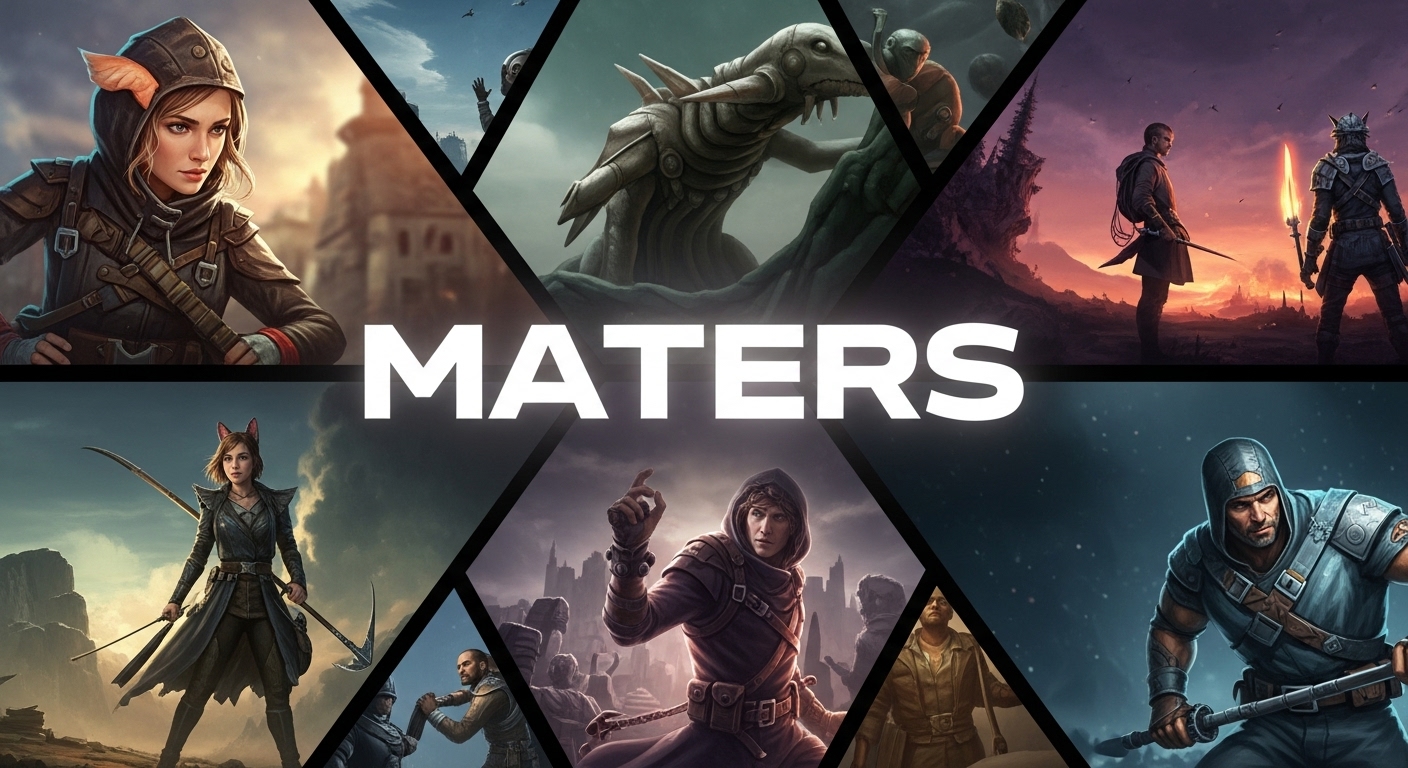
For decades, movies have been the dominant form of visual storytelling, captivating audiences with compelling narratives, stunning visuals, and emotional performances. The cinematic experience has long been considered the gold standard of storytelling in entertainment. However, in the last two decades, the landscape of storytelling has shifted dramatically with the rise of story-driven video games. No longer seen as mere time-killers or recreational pastimes, games today stand as powerful platforms for narrative expression. They combine interactivity, visual artistry, and emotional engagement in ways that rival and sometimes surpass cinema. This evolution has created a fascinating competition between story-driven games and movies, with many asking whether video games have become the new frontier of storytelling.
The Evolution of Storytelling in Video Games
Video games did not start as narrative experiences. Early titles like Pong, Pac-Man, and Tetris relied purely on gameplay mechanics with no story in sight. As technology advanced, developers began experimenting with stories, initially in simple forms such as Mario rescuing Princess Peach or Link saving Hyrule. These basic premises set the foundation for deeper narrative integration. By the late 1990s and early 2000s, with titles like Final Fantasy VII, Metal Gear Solid, and Half-Life, video games began weaving cinematic techniques into their design. Cutscenes, voice acting, and character-driven plots became essential elements of gaming. In more recent years, developers such as Naughty Dog, CD Projekt Red, and Quantic Dream have transformed storytelling in games into experiences on par with blockbuster films, proving that interactive narratives can hold just as much emotional weight as a Hollywood drama.
The Unique Power of Interactivity
One of the most significant ways story-driven games compete with movies is through interactivity. A movie viewer is a passive observer, emotionally engaged but unable to change the outcome of the story. In contrast, video games invite players to step into the shoes of the protagonist, making choices that directly affect the narrative. This sense of agency allows for a deeper level of immersion. When a player decides whether a character lives or dies, whether to pursue vengeance or forgiveness, or how to navigate moral dilemmas, the emotional impact is intensified. Games like The Witcher 3 and Mass Effect offer branching storylines where the player’s decisions shape the world and its outcome, creating a personal connection that movies cannot replicate. This interactive element transforms the player into both audience and storyteller, blurring the lines between consumption and creation.
Emotional Depth and Character Development
Movies have long been praised for their ability to create emotional resonance through performances and cinematography. However, story-driven games have developed their own methods of building emotional depth, often surpassing films in terms of character development. Unlike a two-hour movie, a game can span dozens of hours, giving players extended time to bond with characters and witness their growth. The Last of Us, for example, tells the story of Joel and Ellie in a post-apocalyptic world, but what makes it remarkable is the relationship that unfolds between them over countless hours of gameplay. The slow build of trust, the shared struggles, and the sacrifices create a level of attachment rarely possible in movies due to time constraints. This long-term engagement with characters allows games to cultivate emotional investment in ways cinema struggles to achieve.
Cinematic Presentation in Games
Another reason games compete with movies is their embrace of cinematic techniques. Developers borrow heavily from film language, including camera angles, lighting, pacing, and even orchestral scores. Modern games often feel like interactive films, complete with professional voice actors and motion capture performances. Games like Red Dead Redemption 2 and Uncharted 4 deliver cinematic cutscenes seamlessly integrated into gameplay, blurring the line between game and film. These games are produced with budgets rivaling Hollywood blockbusters and involve collaboration between directors, writers, and actors, ensuring that the narrative presentation is as polished as any film. The result is a hybrid medium that captures the best of both worlds: the visual storytelling of cinema and the interactivity of gaming.
World-Building and Immersion
Movies, no matter how immersive, are limited by their fixed duration and linear structure. Games, on the other hand, have the advantage of expansive world-building. Players are not only told a story but allowed to explore it at their own pace. Open-world titles like Cyberpunk 2077 or Horizon Forbidden West create living, breathing environments filled with lore, side stories, and hidden details. This form of storytelling is experiential; players piece together the narrative through exploration, discovery, and interaction with the world. Unlike a film, where the audience is confined to a director’s chosen perspective, games offer freedom of movement and personal interpretation of the story. This active participation in uncovering the narrative creates a stronger sense of belonging within the fictional universe.
Player Choice Versus Authorial Control
A critical distinction between story-driven games and movies lies in the balance of player choice versus authorial control. Movies are entirely curated by the director and screenwriter, ensuring a specific vision and thematic message. Games, however, often embrace player agency, giving multiple paths and endings. This can result in narratives that feel deeply personal but also risk losing the coherence of a singular vision. Developers have found creative ways to balance this tension. Games like Detroit: Become Human provide multiple branching outcomes while maintaining consistent themes about humanity, morality, and technology. Meanwhile, linear story-driven games like God of War still prioritize tight narrative control but blend it seamlessly with interactive gameplay. This duality is what sets games apart as a storytelling medium—they can be both authored and co-created by the player.
The Emotional Weight of Consequences
In movies, characters face consequences, but the audience simply watches them unfold. In games, players live with the weight of their decisions. Choosing to save one character over another, or deciding whether to betray or trust an ally, carries a unique emotional impact because the player feels directly responsible. The Walking Dead game series by Telltale exemplifies this by presenting players with difficult moral choices under time pressure, forcing them to act instinctively. The consequences ripple throughout the story, often leading to regret, relief, or self-reflection. This interactivity creates a bond between player and narrative that surpasses the observational experience of cinema, turning every choice into a personal moral test.
Technology Driving Narrative Innovation
Advancements in gaming technology have also fueled the competition between story-driven games and movies. Real-time rendering, photorealistic graphics, and sophisticated AI systems make game worlds look and feel more authentic than ever. Facial motion capture allows for subtle emotional performances, capturing every twitch and glance with remarkable realism. Games like Hellblade: Senua’s Sacrifice use innovative audio design and psychological storytelling to place players directly in the mind of the protagonist. Virtual reality has also pushed boundaries, immersing players into narratives in ways films cannot. These technological innovations are not just about visual spectacle; they enhance storytelling by creating environments where players feel genuinely present.
Games as Collaborative Storytelling
Another unique advantage games hold over movies is the sense of collaborative storytelling between developer and player. While movies are static and unchanging, games evolve as players interact with them. Multiplayer or community-driven experiences further extend this collaborative nature. Titles like Dark Souls and Elden Ring use environmental storytelling and cryptic lore, leaving it to players to interpret and share theories. In doing so, the community itself becomes part of the storytelling process. This participatory element creates a cultural phenomenon that goes beyond individual experiences, making games a living narrative medium.
The Blurring of Boundaries
Interestingly, the competition between story-driven games and movies has also led to collaboration. Many modern games hire Hollywood actors and directors, bringing cinematic expertise into game design. Conversely, movies are increasingly inspired by video game aesthetics and storytelling structures. Adaptations such as The Witcher (originally a book series, but popularized through games) and HBO’s The Last of Us demonstrate how closely games and movies now intersect. The cross-pollination of these mediums shows that rather than replacing one another, they are learning from each other, pushing both industries toward richer storytelling experiences.
Audience Engagement and Replay Value
Movies typically offer a one-time experience, even if rewatching reveals new layers of meaning. Games, on the other hand, thrive on replay value. Branching storylines, hidden details, and alternate endings encourage players to return multiple times, each playthrough offering something new. This replayability extends the lifespan of a narrative and deepens player engagement. A film may move someone for a few hours, but a game can captivate them for weeks or months, providing an evolving relationship with its story. The ability to revisit narratives from different perspectives gives games a competitive edge in audience retention.
The Future of Story-Driven Games and Cinema
As technology continues to advance, the competition between story-driven games and movies will likely intensify. Artificial intelligence promises even more dynamic storytelling, where narratives adapt not only to player choices but also to player behavior and emotional state. Virtual and augmented reality could create entirely new forms of interactive cinema, where the boundaries between movie and game dissolve completely. While movies will always maintain their cultural significance, story-driven games are carving out a parallel space, challenging the traditional dominance of cinema by offering narratives that are longer, more interactive, and deeply personal. The future may not be about which medium is superior but how they can coexist and inspire each other.
Conclusion
Story-driven games have evolved from simple diversions into complex narrative experiences that stand toe-to-toe with movies. By offering interactivity, emotional depth, immersive world-building, and replayable storytelling, games have established themselves as a legitimate and competitive storytelling medium. Movies still hold the power of cinematic artistry and cultural prestige, but games provide something cinema cannot—the chance for players to live the story themselves. This competition has pushed both industries to innovate, enriching the world of entertainment as a whole. As we look ahead, it is clear that story-driven games are not merely competing with movies—they are redefining what storytelling means in the modern age.