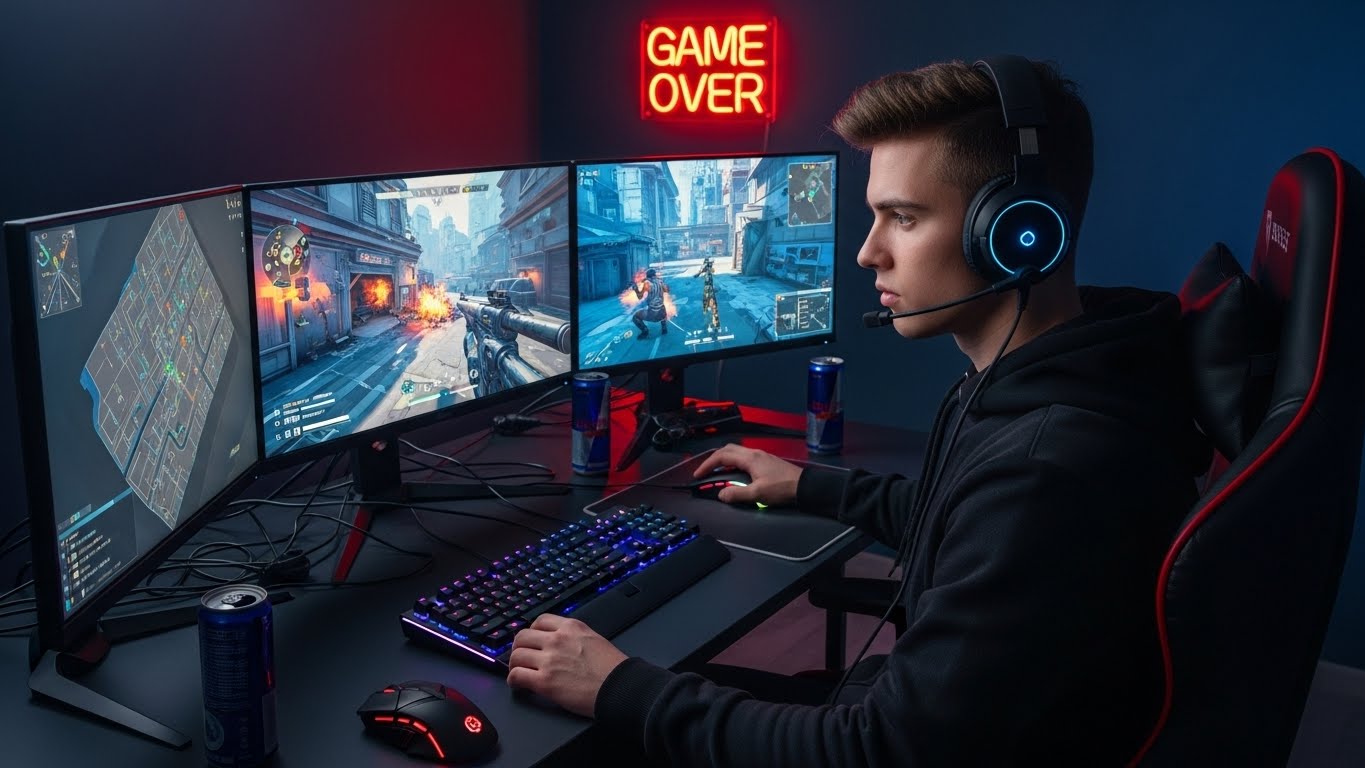

Gaming has transformed from a simple pastime into a global phenomenon that influences culture, technology, and personal development. It is no longer just about pressing buttons or scoring points; gaming has become an immersive experience that engages the mind, encourages creativity, and fosters social connections. For millions worldwide, gaming is not just entertainment—it is a platform for learning, self-expression, and even professional growth. This article explores how gaming impacts modern life and why it continues to captivate players of all ages.
The Evolution of Gaming: From Arcade Cabinets to Immersive Worlds
The history of gaming is a journey of technological innovation and creative storytelling. In the early days, arcade games like Pac-Man, Tetris, and Space Invaders offered simple gameplay with pixelated graphics. Despite their simplicity, these games captivated players by providing challenges that tested reflexes, timing, and strategy. They were the first steps toward a medium that would grow into a cultural powerhouse.
As technology advanced, gaming expanded into home consoles and personal computers, offering more complex narratives, realistic graphics, and expansive worlds. Modern games provide immersive experiences where players explore detailed environments, interact with lifelike characters, and make decisions that shape the story. Games are now capable of blending cinematic storytelling with interactive gameplay, creating experiences that rival films and novels in emotional depth and narrative complexity.
The Art of Storytelling in Gaming
One of the most unique features of gaming is its approach to storytelling. Unlike books or movies, which are passive forms of entertainment, games allow players to actively influence the story. Every choice can have consequences, altering character relationships, plot outcomes, and even entire worlds.
Games today explore themes such as morality, identity, courage, and loss. They allow players to step into the shoes of characters they would never encounter in real life, offering perspectives that foster empathy and critical thinking. Interactive storytelling turns the player into a co-creator, making victories feel earned and challenges meaningful. This level of engagement is unmatched by other forms of entertainment and is one of the reasons gaming has such a lasting impact on individuals.
Gaming as a Social Experience
Modern gaming is as much about social interaction as it is about gameplay. Multiplayer games connect people across the globe, creating communities built on shared goals and experiences. Whether cooperating to complete a quest, competing in a tournament, or trading strategies, players develop friendships and social skills in ways that extend beyond the game.
Online gaming communities provide spaces where players feel a sense of belonging. These connections can be particularly valuable for individuals who struggle with social interaction in real life. Shared victories, challenges, and creative projects help form bonds that are meaningful and long-lasting. Gaming proves that virtual interactions can be just as socially fulfilling as face-to-face experiences.
The Rise of Competitive Gaming and Esports
Esports has transformed gaming into a professional and highly visible industry. Competitive players train extensively, refining skills such as reflexes, strategy, and teamwork. Tournaments attract millions of viewers worldwide, showcasing games as a legitimate form of competitive entertainment.
The rise of esports has changed public perceptions of gaming. It is increasingly recognized as a viable career path, with opportunities for sponsorships, streaming, and global recognition. Young players now aspire to become professional gamers, illustrating that gaming is not just a hobby but a field that demands dedication, skill, and strategy.
Identity and Self-Expression Through Gaming
Gaming offers a unique platform for exploring identity. Players can customize characters, choose roles, and make decisions that reflect or challenge their personalities. This freedom allows individuals to experiment with traits like courage, intelligence, creativity, and empathy in a safe, virtual environment.
For many, gaming provides a space to explore aspects of themselves they may not express in real life. Role-playing games and customizable avatars give players the chance to see the world from different perspectives and to try out new ways of thinking and acting. This exploration fosters self-awareness, confidence, and personal growth, making gaming a meaningful form of self-expression.
Cognitive and Educational Benefits of Gaming
Gaming is not only entertaining but also intellectually stimulating. Many games require strategic thinking, problem-solving, and multitasking. Action games improve reflexes and hand-eye coordination, while puzzle and strategy games enhance planning, logic, and memory.
Educational games take these benefits further by making learning interactive and engaging. Players can explore complex subjects such as mathematics, history, and science through gameplay, receiving instant feedback and encouragement. The gamification of education demonstrates that the principles of gaming—challenge, reward, and engagement—can be used to teach valuable skills and knowledge effectively.
Gaming as a Tool for Stress Relief and Mental Well-being
In addition to cognitive benefits, gaming plays a significant role in mental health. Life can be stressful, and games offer a way to relax, recharge, and experience achievement. Immersive worlds allow players to take a break from reality, providing temporary relief from anxiety or pressure.
Balanced gaming encourages mindfulness and focus. Completing challenges, building creative projects, or collaborating with others can boost confidence and provide a sense of accomplishment. While excessive gaming can be harmful, moderate play can enhance emotional well-being and serve as a healthy coping mechanism.
Creativity and Innovation in Gaming
Many modern games encourage creativity on a massive scale. Sandbox games, simulation titles, and role-playing adventures allow players to design landscapes, build structures, and craft narratives. This creative engagement nurtures problem-solving, experimentation, and original thinking.
Gaming often inspires skills that extend beyond the virtual world. Players can develop expertise in coding, digital art, storytelling, and design. These creative projects can lead to real-world opportunities, demonstrating that gaming is a medium for innovation, skill-building, and self-expression.
Technological Advances Shaping Gaming’s Future
The evolution of gaming is closely tied to technological advancement. Virtual reality, augmented reality, cloud gaming, and artificial intelligence are redefining how players interact with games. Realistic physics, adaptive AI, and immersive environments make gameplay more engaging and lifelike.
As technology advances, games will become increasingly interactive and personalized. Players will experience worlds that respond dynamically to their choices, creating deeper emotional connections and new opportunities for collaboration and storytelling. Gaming will continue to push boundaries, influencing entertainment, education, and social experiences in profound ways.
Gaming’s Cultural Significance
Gaming has become a global cultural phenomenon. It influences music, art, fashion, storytelling, and even social trends. Beyond entertainment, games provide platforms for education, advocacy, and social commentary. Many titles explore social issues, environmental concerns, or historical events, allowing players to engage with important topics in interactive ways.
The cultural impact of gaming also lies in its ability to connect diverse communities. Players from different countries, backgrounds, and perspectives can collaborate and communicate in ways that foster understanding, creativity, and global awareness. Gaming is not just a hobby—it is a reflection of shared human experience in the digital age.
Gaming in Daily Life
Gaming is increasingly integrated into everyday life. Casual mobile games coexist with immersive console adventures, professional esports, and virtual reality experiences. This diversity ensures that gaming appeals to people of all ages, interests, and skill levels.
Beyond fun, gaming contributes to cognitive development, creativity, social skills, and emotional well-being. It is a medium that combines entertainment with personal growth, offering opportunities to explore, create, and connect. Gaming is no longer confined to leisure; it is a tool for learning, expression, and engagement in the modern world.
Conclusion: Gaming as a Transformative Force
Gaming is much more than pressing buttons or completing missions. It is a medium that shapes imagination, encourages creativity, and fosters meaningful social connections. Through immersive storytelling, interactive learning, and collaborative play, gaming impacts lives in ways that go far beyond simple entertainment.
As technology continues to evolve, gaming will become even more immersive, interactive, and influential. It bridges cultural, social, and creative gaps while offering spaces for personal growth, exploration, and innovation. Gaming is a reflection of human curiosity, ingenuity, and the desire to connect—a testament to the power of digital play in shaping the modern world.