Introduction: Gaming’s Impact Beyond the Screen
Video games have evolved beyond mere entertainment to become a cultural powerhouse that touches nearly every aspect of our lives. From providing endless hours of escapism to fostering competitive communities, video games have reshaped how we connect, compete, learn, and even work. The world of gaming has grown from simple pixelated adventures into massive, multi-dimensional universes that engage millions of players daily. This post explores the transformative power of gaming, its far-reaching effects on entertainment, education, and socialization, and how it continues to shape the future of digital culture.
The Evolution of Gaming: From Pixels to Immersive Worlds
When we think about video games today, it’s easy to forget that they once began as simple, two-dimensional experiences. Early titles like Pong, Space Invaders, and Pac-Man were revolutionary for their time, offering players a novel way to pass the time by controlling moving pixels on a screen. However, these early games were incredibly limited, offering only basic mechanics and minimal storytelling.
Fast forward a few decades, and we find ourselves in an era of photorealistic graphics, expansive open-world games, and deeply immersive narratives. The technological leap from the 8-bit to the 3D-rendered graphics of today has been extraordinary. Games like Red Dead Redemption 2, The Last of Us Part II, and The Witcher 3 have raised the bar for what is possible in terms of storytelling, visual fidelity, and player engagement.
Moreover, technological advancements like virtual reality (VR) and augmented reality (AR) have pushed the boundaries even further, giving players the ability to interact with virtual worlds in ways that feel lifelike and natural. Gaming is no longer confined to a screen but extends into entire environments where the player can explore, fight, or create in three-dimensional space.
The Rise of Social Gaming: A New Way to Connect
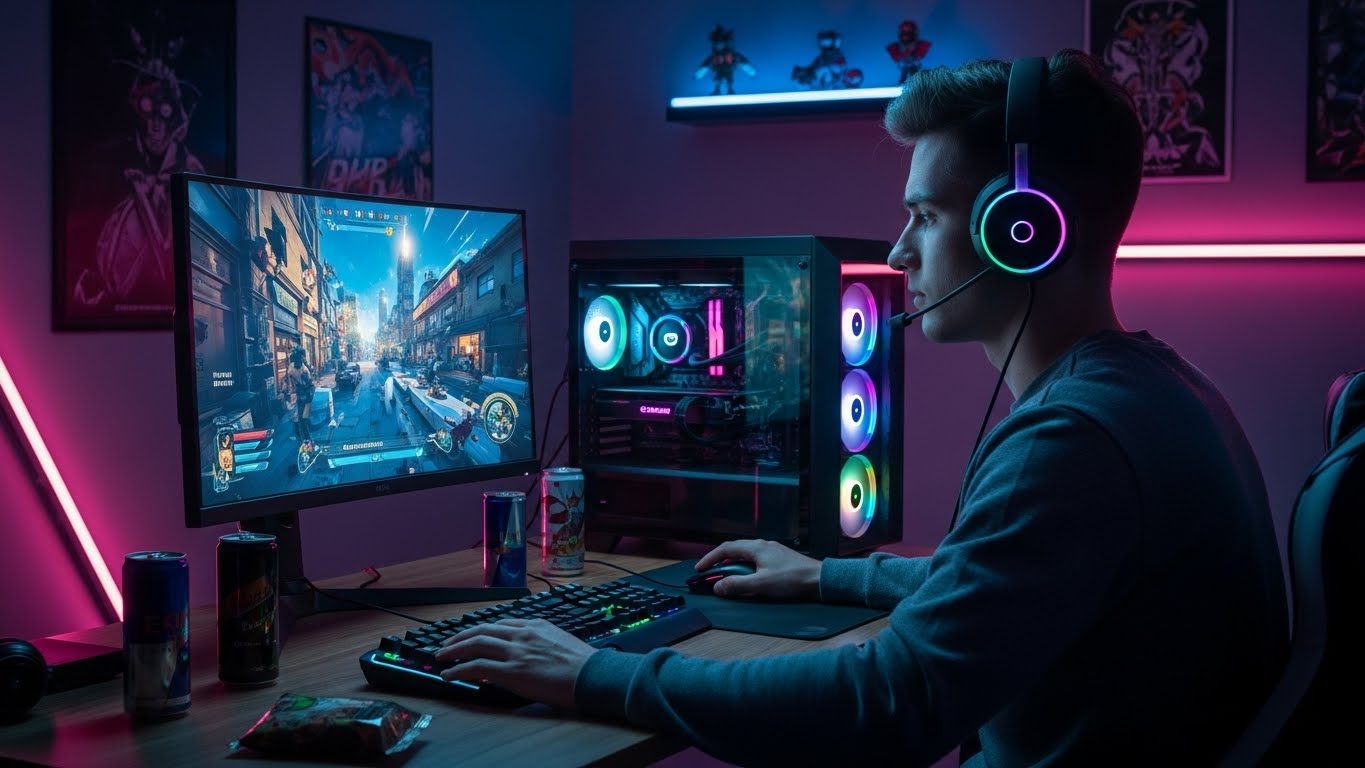
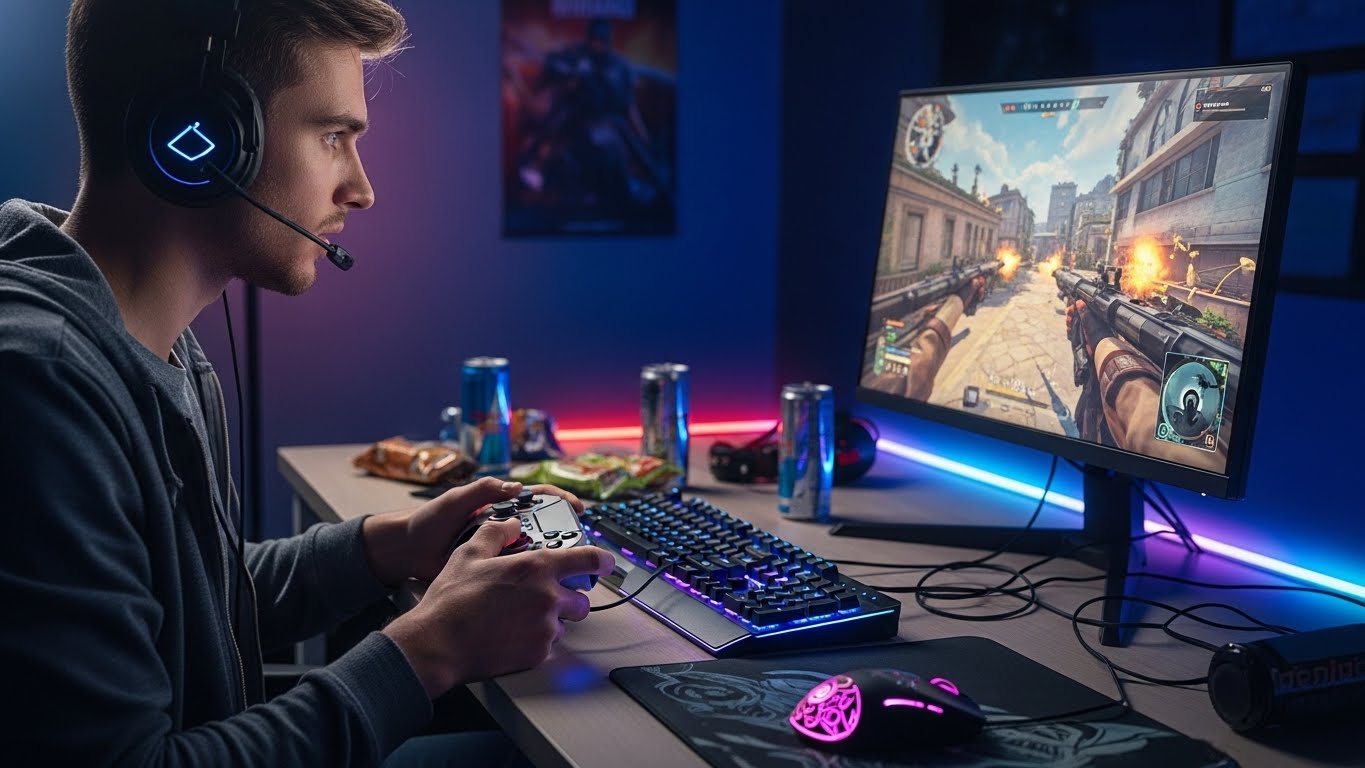
In the past, gaming was often a solitary activity. Players would sit alone in front of their consoles, computers, or arcade machines, immersed in a game world. However, as technology advanced and online connectivity became the norm, gaming transformed into a highly social experience. Today, millions of players from all over the world are able to team up or compete against one another in real time.
Online multiplayer games like Fortnite, World of Warcraft, and Minecraft have built vast virtual communities where players can socialize, collaborate, and even form lasting friendships. Gaming has become a way for people to stay connected, often transcending geographic boundaries. Whether it’s sharing a laugh with friends in a battle royale, joining a guild in an MMORPG, or just chatting in a lobby, these virtual spaces have become modern-day social hubs.
In fact, many players now spend as much, if not more, time socializing within games as they do playing the actual game. For some, these digital spaces are where they feel most comfortable, finding a sense of belonging in communities with similar interests and shared passions.
Esports: The Professionalization of Gaming
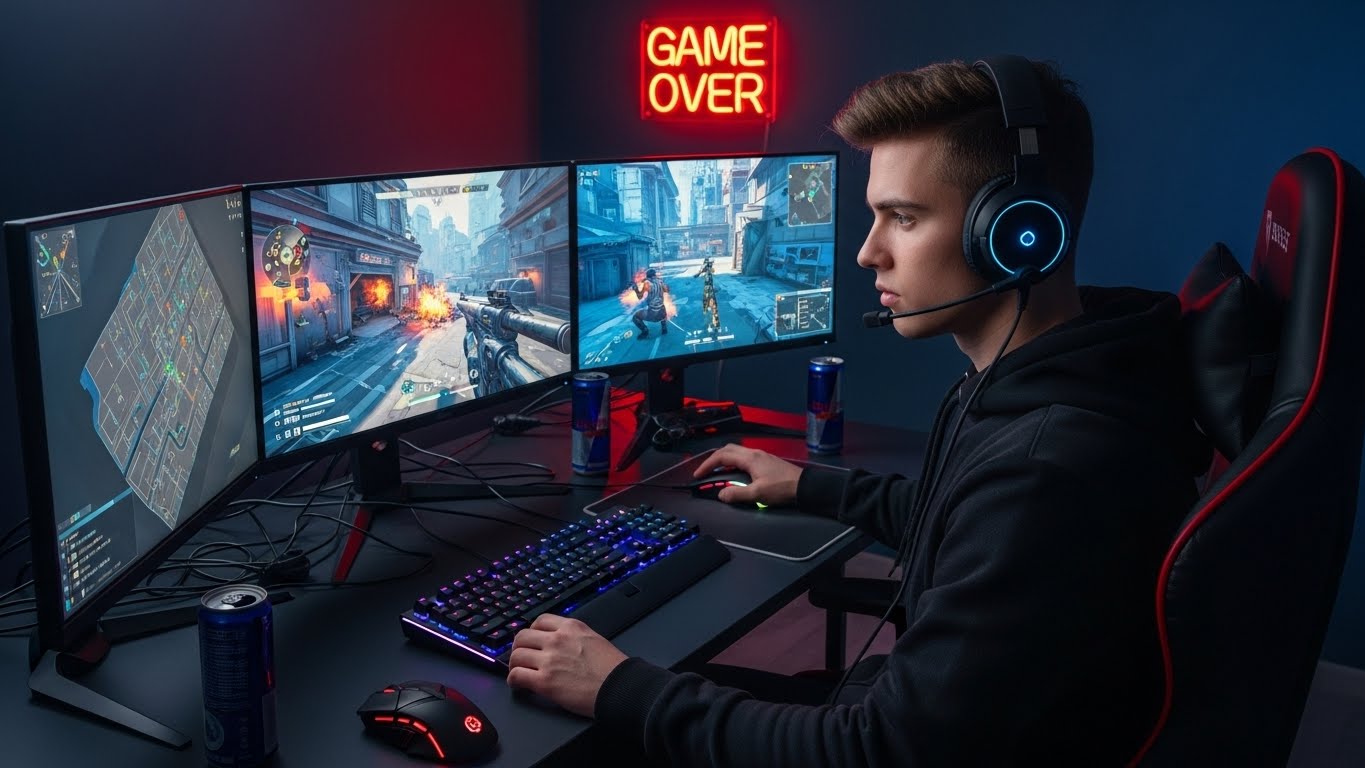
One of the most significant developments in the gaming industry has been the rise of esports. Competitive gaming has transformed from an underground hobby into a multi-billion-dollar industry. Esports tournaments now attract millions of viewers, while top players earn salaries that rival those of traditional athletes. Games like League of Legends, Dota 2, Counter-Strike: Global Offensive, and Overwatch have elevated gaming to a legitimate professional sport, with dedicated teams, coaches, analysts, and broadcasters.
Esports has created a new avenue for players to turn their passion into a career. Professional gamers practice for hours each day, honing their skills, studying opponents, and developing strategies to stay ahead of the competition. Streaming platforms like Twitch have further propelled the professionalization of gaming by allowing players to broadcast their gameplay, interact with fans, and even earn money through sponsorships, subscriptions, and donations.
What makes esports especially unique is the accessibility it offers. Anyone with the right skills and determination can rise to the top. Unlike traditional sports that require physical attributes or facilities, esports only requires a computer, a game, and an internet connection. This accessibility has led to an explosion of diverse talent from around the world, making esports a truly global phenomenon.
Gaming as a Storytelling Medium: Crafting Interactive Narratives
One of the most powerful aspects of modern gaming is its ability to tell complex, emotionally charged stories. While video games were once limited to basic plots—typically involving simple good-versus-evil scenarios—today’s games are rich, nuanced experiences that explore everything from personal identity to societal issues. Games like The Last of Us, God of War, and Horizon Zero Dawn feature stories that rival the depth and emotional impact of films and books.
The key difference between traditional media and gaming is interactivity. In games, players are not just passive observers—they actively shape the story through their actions, choices, and decisions. In The Witcher 3, for example, players control Geralt of Rivia, a monster hunter, making choices that influence the game’s story and world. These choices may affect relationships with other characters, the outcome of quests, or even the game’s ending.
This level of agency gives gaming a unique narrative quality, as players invest emotionally in the outcomes of their choices. Furthermore, because of the length of most modern games (often 20 hours or more), players are given the time and space to immerse themselves fully in the world. The combination of compelling storytelling and interactive gameplay makes video games one of the most immersive forms of entertainment available today.
Skill Development Through Gaming: More Than Just Fun
Contrary to outdated stereotypes, gaming isn’t just about mindless entertainment. Many modern games require a high level of skill and critical thinking, which can have real-world applications. For example, strategy games like StarCraft and Civilization teach players how to think several steps ahead, plan resources, and make decisions under pressure.
Fast-paced action games such as Call of Duty or Overwatch require quick reflexes, hand-eye coordination, and multitasking. Puzzle games like Portal or The Witness challenge players’ problem-solving abilities, forcing them to think outside the box and come up with creative solutions. Even multiplayer games foster valuable soft skills such as communication, teamwork, leadership, and resilience, as players collaborate to achieve common goals or compete for victory.
Research has shown that gaming can improve cognitive abilities, including memory, spatial awareness, and attention to detail. These skills are transferable to other areas of life, including academic performance, career development, and personal growth. As a result, gaming is increasingly being recognized as an activity that can provide valuable skills, especially for younger players.
Gaming and Education: Learning Through Play
Education and gaming have long been seen as separate realms, but this divide is slowly closing. Many educators are now recognizing the value of games as powerful learning tools. Educational games, whether used in the classroom or at home, can teach everything from history and geography to math and science. Games like Math Blaster or SimCity introduce complex subjects in an engaging way, making learning fun and interactive.
In addition, games can help develop critical thinking, problem-solving, and decision-making skills, which are important in academic settings. Games like Kerbal Space Program allow players to build and launch rockets, simulating real-world physics in an engaging and hands-on way. Similarly, Minecraft can teach spatial reasoning and creativity, as players build and design structures within the game’s blocky world.
Even more complex games, such as Civilization VI or Age of Empires, teach players about history, economics, and resource management. These games immerse players in historical events, requiring them to manage cities, trade goods, and navigate complex political and economic systems. As gaming continues to grow, it is likely to become an increasingly important part of educational curricula, providing students with new and exciting ways to learn.
The Dark Side of Gaming: Addressing Potential Issues
While gaming offers numerous benefits, it is not without its challenges. One of the most significant concerns is the potential for gaming addiction. The immersive nature of games, combined with the constant flow of rewards and progression, can create a “hook” that encourages players to spend hours upon hours in front of their screens. For some individuals, this can lead to unhealthy habits, neglecting personal relationships, physical activity, or work obligations.
Another issue is the presence of toxic behavior in some gaming communities. Online anonymity can sometimes result in harassment, bullying, and discriminatory behavior. While game developers have worked hard to create more inclusive and respectful environments, this remains an ongoing challenge that requires continued attention.
The Future of Gaming: What’s Next?
The future of gaming is incredibly exciting. With emerging technologies like virtual reality (VR), augmented reality (AR), and cloud gaming, we are on the brink of new forms of interaction that will redefine how we play. VR, in particular, offers the potential for fully immersive gaming experiences where players can physically move within a game world. Augmented reality could blend the virtual and real worlds, allowing players to interact with games in entirely new ways.
Cloud gaming is also changing the landscape by eliminating the need for powerful hardware. With services like Google Stadia and Microsoft’s Xbox Cloud Gaming, players can access high-quality games from any device with an internet connection, making gaming more accessible than ever before.