Introduction: The Rise of Gaming
Gaming has evolved from simple pastimes into a multi-faceted, global phenomenon. From humble beginnings with arcade machines and early console games to massive multiplayer online games and mobile apps, gaming has transformed the way people entertain themselves, interact socially, and even learn. Today, gaming is not just a hobby; it is a cultural force, an economic powerhouse, and a platform for creative expression.
The modern gaming industry spans consoles, computers, mobile devices, and cloud-based platforms. It includes casual games, competitive esports, role-playing games, virtual reality experiences, and more. This blog will explore the evolution of gaming, its cultural and social impact, the technology driving it, and the future of this ever-expanding digital world.
The History of Gaming
The origins of gaming date back thousands of years. Early humans played physical games and created board games such as Senet in ancient Egypt and the Royal Game of Ur in Mesopotamia. These games were often tied to religion, strategy, and social interaction.
Over time, games evolved into more complex forms. Chess, originating in India as Chaturanga, became a symbol of strategy and intellect. Card games emerged in China and Europe, providing entertainment and opportunities for gambling. In the 19th and 20th centuries, modern board games like Monopoly, Scrabble, and Risk became widely popular, emphasizing strategy, luck, and social engagement.
The 1970s and 1980s marked the advent of digital gaming. Early arcade games like Pong and Space Invaders introduced a new era of interactive entertainment. Video game consoles such as the Atari 2600, Nintendo Entertainment System, and Sega Genesis brought gaming into homes, creating a generation of players who grew up immersed in digital worlds.
The Evolution of Video Games
Video games have evolved tremendously over the past few decades. Early games were simple, with limited graphics and gameplay, but they laid the foundation for an industry that would eventually become a global phenomenon.
Modern video games offer immersive worlds, complex narratives, and realistic graphics. Genres range from action and adventure to simulation, strategy, puzzle, and role-playing games. Online connectivity has further expanded gaming experiences, allowing millions of players to interact, compete, and collaborate worldwide.
Massively multiplayer online games (MMOs) such as World of Warcraft and Fortnite have created digital societies where players build communities, form alliances, and engage in competitive gameplay. Mobile gaming has made games accessible to nearly everyone with a smartphone or tablet, turning gaming into a daily part of life for millions.
Types of Gaming
Gaming comes in many forms, each offering unique experiences:
- Console Gaming
Console gaming has been a staple of the industry for decades. Platforms like PlayStation, Xbox, and Nintendo Switch provide high-quality graphics, expansive worlds, and immersive gameplay. Console games often include single-player campaigns and multiplayer modes, appealing to both casual and hardcore gamers. - PC Gaming
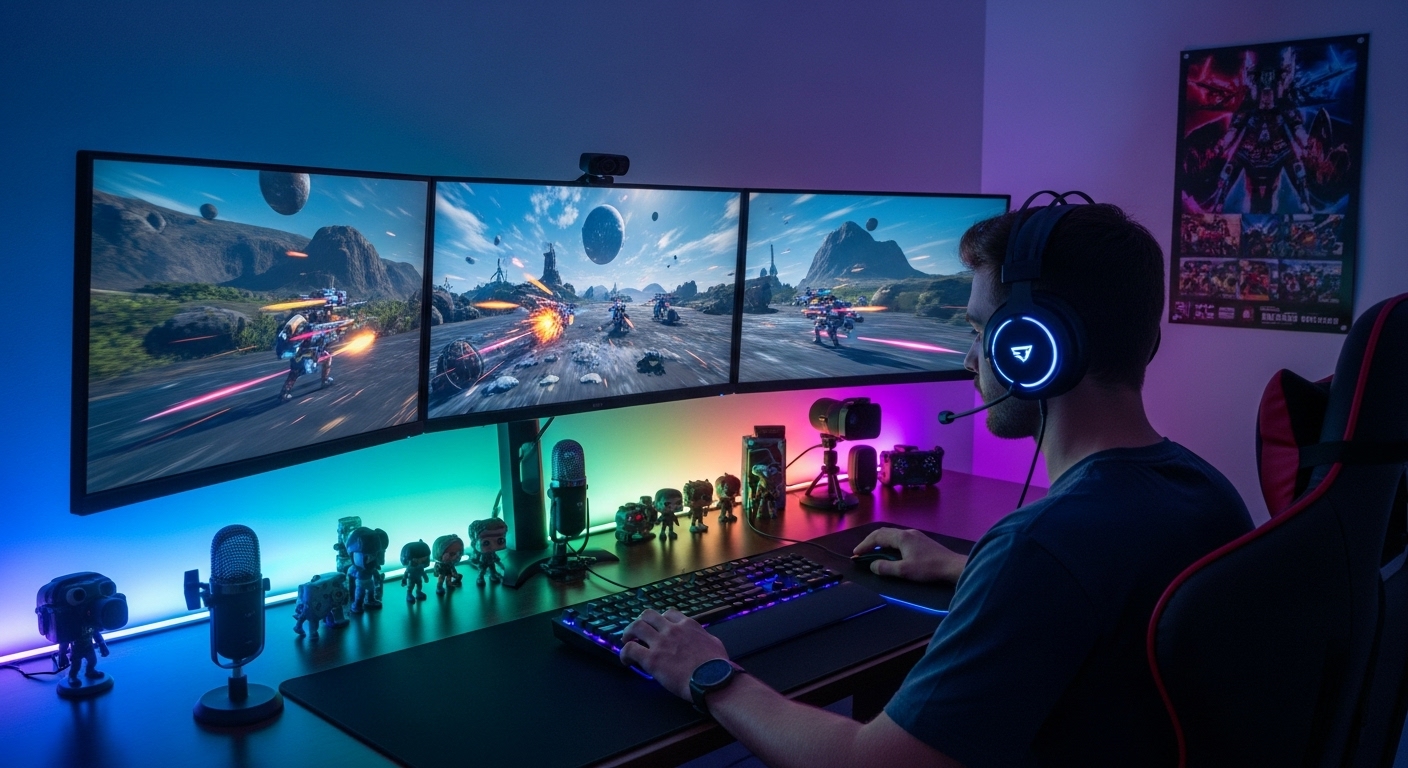
PC gaming offers flexibility, customization, and high-performance capabilities. Gamers can build their own rigs to handle the most demanding games, while online platforms such as Steam and Epic Games Store provide access to thousands of titles. PC gaming often attracts enthusiasts who value technical precision, modding, and competitive gaming. - Mobile Gaming
Mobile games have democratized gaming, making it accessible to people of all ages and backgrounds. Games like Candy Crush, Clash of Clans, and Pokémon GO combine entertainment with social interaction, allowing players to engage anytime, anywhere. Mobile gaming also integrates augmented reality and location-based features, creating unique experiences for players. - Esports and Competitive Gaming
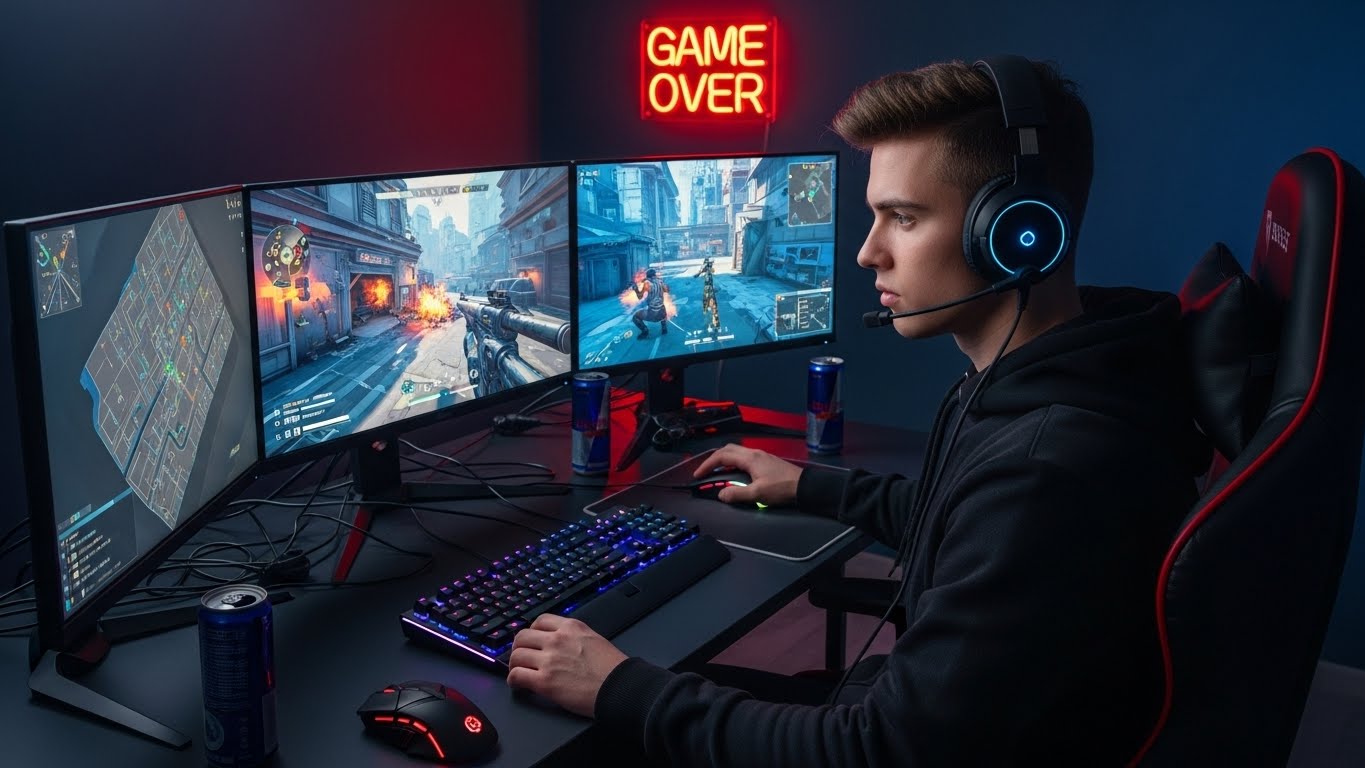
Esports has transformed gaming into a professional industry. Competitive gaming involves organized tournaments, professional players, and large prize pools. Popular esports titles include League of Legends, Dota 2, Counter-Strike: Global Offensive, and Call of Duty. Esports has created a new ecosystem of fans, commentators, sponsors, and streaming platforms, making it a global cultural phenomenon. - Virtual Reality (VR) and Augmented Reality (AR) Gaming
VR and AR have introduced immersive experiences that blur the lines between the digital and physical worlds. VR gaming allows players to step into fully interactive environments, while AR overlays digital elements onto real-world surroundings. Games like Beat Saber and Pokémon GO showcase the potential of these technologies to create engaging and innovative gameplay.
The Cultural Impact of Gaming
Gaming is more than entertainment; it is a cultural force. Games reflect societal values, historical events, and human creativity. They provide storytelling experiences that rival movies and literature, allowing players to explore different perspectives, worlds, and narratives.
Gaming culture includes conventions, fan art, cosplay, and online communities, where players share experiences and express creativity. Online multiplayer games foster teamwork, collaboration, and communication skills. Competitive gaming teaches resilience, strategy, and discipline, creating a new generation of players who value both skill and sportsmanship.
The rise of game streaming platforms has further amplified the cultural impact of gaming. Viewers can watch live gameplay, interact with streamers, and participate in global communities. Streamers have become celebrities, influencing trends, shaping opinions, and promoting new games to massive audiences.
Educational and Cognitive Benefits of Gaming
Contrary to outdated stereotypes, gaming provides cognitive and educational benefits. Strategy and puzzle games improve problem-solving, planning, and analytical skills. Role-playing games enhance creativity, decision-making, and moral reasoning. Simulation games teach resource management, critical thinking, and adaptability.
Gaming also promotes hand-eye coordination, reaction time, and spatial awareness. Studies have shown that players who engage in action or strategy games often outperform non-players in tasks requiring focus, multitasking, and quick thinking. Educational games are increasingly used in schools and training programs, making learning interactive, engaging, and fun.
Furthermore, multiplayer games foster social and emotional intelligence. Players develop teamwork, leadership, and communication skills as they coordinate with others to achieve objectives. They also learn to handle success and failure gracefully, building resilience and emotional maturity.
The Economic Impact of Gaming
The gaming industry is a multi-billion-dollar global enterprise. Revenue comes from game sales, subscriptions, microtransactions, esports, streaming, merchandise, and hardware. Professional gaming and streaming have created new career opportunities for players, content creators, and influencers.
Mobile and casual games have opened the market to smaller developers, enabling innovative titles to reach global audiences. Esports tournaments attract sponsorships, advertising deals, and large-scale media coverage, creating an entire ecosystem around competitive gaming.
Gaming also drives technological innovation. High-performance graphics cards, processors, virtual reality equipment, and cloud gaming services are all developed in part to enhance gaming experiences, with applications that extend to other industries like healthcare, education, and simulation training.
The Social Dimension of Gaming
Gaming fosters social connections, both online and offline. Multiplayer games allow players to form friendships, collaborate, and compete across continents. Online communities provide spaces for discussion, support, and sharing of tips or strategies. Gaming also helps individuals connect over shared interests, bridging cultural, linguistic, and geographic divides.
Local gaming events, tournaments, and conventions strengthen social bonds in physical spaces. Players gather to celebrate their passion, exchange ideas, and participate in competitions. Gaming has become a social activity, where collaboration and communication are just as important as gameplay.
The Future of Gaming
The future of gaming is both exciting and transformative. Emerging technologies such as virtual reality, augmented reality, cloud gaming, and artificial intelligence will redefine gameplay and player interaction. Games will become more immersive, interactive, and personalized, offering experiences that are harder to distinguish from reality.
Esports will continue to expand, gaining mainstream recognition as a professional sport with larger audiences and higher stakes. Mobile and cloud gaming will increase accessibility, allowing more people to participate regardless of device or location. Educational and simulation games will play a growing role in learning and professional training.
Furthermore, games will continue to shape culture, storytelling, and social interactions, reinforcing their importance beyond simple entertainment. They will remain a medium where creativity, innovation, and community converge.
Conclusion
Gaming is no longer just a pastime; it is a dynamic, global phenomenon with cultural, social, and economic significance. From ancient board games to cutting-edge VR experiences, games have evolved to entertain, educate, and connect people worldwide. They foster creativity, problem-solving, teamwork, and resilience, while creating communities that transcend borders.
As technology advances and gaming culture continues to grow, games will remain a cornerstone of modern entertainment, influencing the way people interact, learn, and experience the world. Gaming is not just play; it is a reflection of human ingenuity, imagination, and the power of shared experiences.