
Introduction: Beyond Entertainment
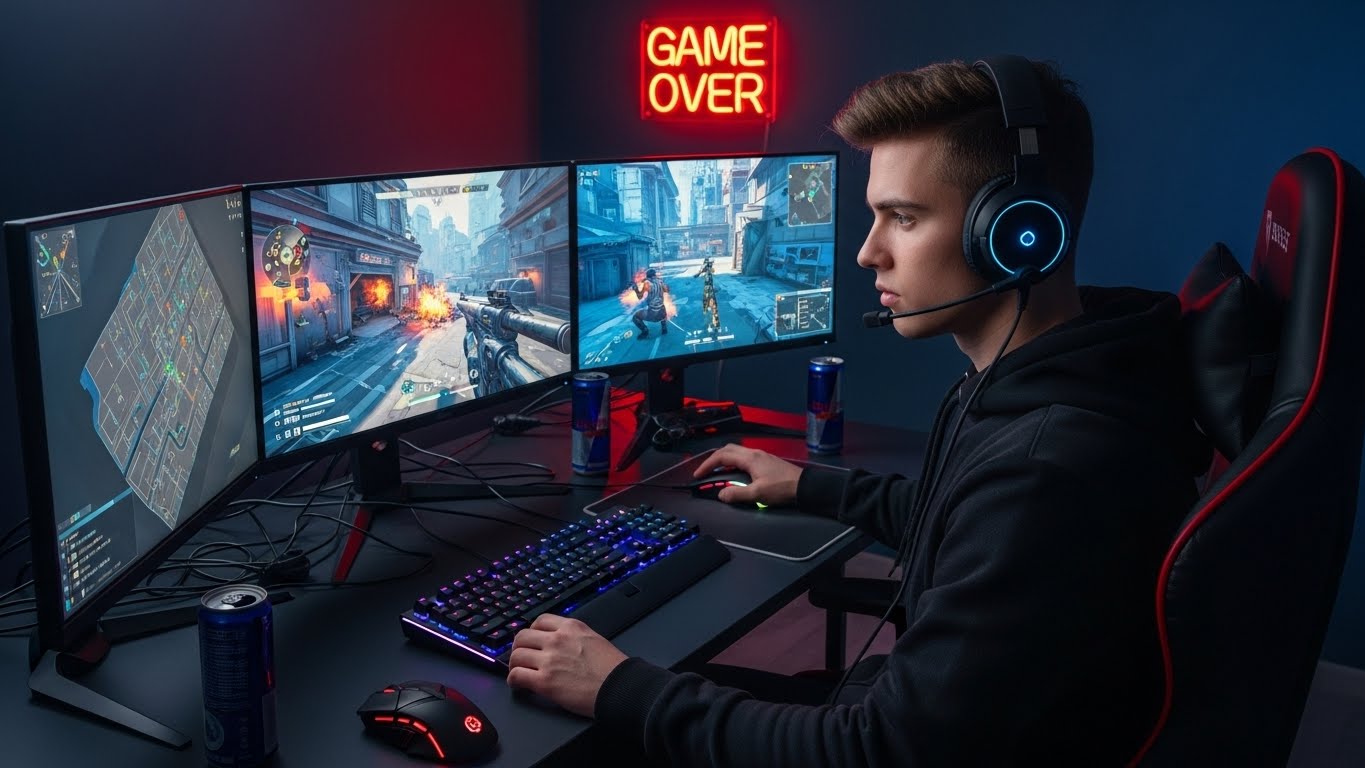
Gaming has grown far beyond the realm of simple pastimes or childhood hobbies. What was once seen as a niche activity has evolved into a global phenomenon that influences culture, technology, and human interaction. Gaming is no longer confined to consoles or PCs; it is a medium for storytelling, competition, and social connection. From casual mobile games to immersive virtual reality experiences, gaming has become a central pillar of modern entertainment. Its influence extends to education, career opportunities, and even mental health, making it a multi-dimensional force in contemporary life.
The Evolution of Gaming
The history of gaming reflects humanity’s evolving relationship with technology. Early video games, such as simple pixel-based arcade titles, were experimental and primarily designed for fun. As computing power increased, games became more sophisticated, incorporating narratives, realistic graphics, and complex mechanics. Today, gaming encompasses multiple genres and platforms, including mobile devices, consoles, PCs, and cloud-based systems. The evolution of gaming mirrors advances in technology, creativity, and cultural expression, transforming the industry into a diverse ecosystem that appeals to millions worldwide.
Gaming as a Form of Storytelling
One of the most compelling aspects of gaming is its ability to tell immersive stories. Unlike books or films, games allow players to participate actively in the narrative. Players make choices, solve puzzles, and interact with characters, creating a sense of agency that traditional media cannot offer. Story-driven games explore complex themes, emotional journeys, and philosophical questions, making them a unique medium for artistic expression. From epic fantasy adventures to real-world simulations, gaming transforms storytelling into an interactive experience.
The Social Dimension of Gaming
Modern gaming is inherently social. Multiplayer games connect individuals from across the globe, fostering teamwork, strategy, and communication. Gaming communities offer a sense of belonging, shared interest, and camaraderie. Competitive esports events bring together players and fans, creating a culture that celebrates skill, dedication, and perseverance. Social gaming also extends to virtual worlds where players collaborate, trade, and build together. These interactions often form lasting friendships, proving that gaming is not just an individual experience but a powerful social platform.
Cognitive Benefits of Gaming
Gaming is often criticized for being addictive or time-consuming, but research shows it can provide cognitive benefits. Strategic games enhance problem-solving, decision-making, and critical thinking. Puzzle-based and role-playing games improve memory, spatial awareness, and attention to detail. Fast-paced action games can enhance reflexes, hand-eye coordination, and multitasking abilities. Beyond mental acuity, gaming can also support creativity, as players experiment with in-game mechanics, design tools, and world-building features. Far from being a passive activity, gaming engages the mind in dynamic and constructive ways.
Gaming and Mental Health
Contrary to popular belief, gaming can have positive effects on mental health when approached mindfully. Games provide an outlet for stress relief, offering immersive experiences that help players relax and recharge. Social games reduce feelings of isolation by connecting players with supportive communities. Narrative-driven games can foster empathy and emotional understanding, as players experience diverse perspectives. While moderation is essential, gaming has proven to be a tool for mindfulness, personal growth, and even therapeutic interventions in clinical settings.
Esports: Competitive Gaming as a Career
Esports has transformed gaming into a legitimate professional avenue. Competitive gaming tournaments attract millions of viewers, offering substantial prize pools and sponsorship opportunities. Professional gamers cultivate skills, discipline, and strategic thinking comparable to traditional sports athletes. Beyond the players, careers in esports encompass coaching, management, broadcasting, and content creation. This professionalization has elevated gaming from hobbyist culture to a recognized industry, inspiring young players to pursue their passions with dedication and ambition.
The Role of Technology in Gaming
Advances in technology have propelled gaming into new dimensions. High-definition graphics, realistic physics, and artificial intelligence create immersive and dynamic environments. Virtual reality and augmented reality transport players into alternate worlds, while cloud gaming allows access without the need for powerful hardware. Technology also enables continuous innovation, with developers creating adaptive, personalized experiences for players. The synergy between gaming and technology highlights how innovation can reshape entertainment and human interaction simultaneously.
Gaming as Education and Skill Development
Gaming is increasingly used as an educational tool. Educational games teach subjects such as math, science, history, and languages through interactive experiences. Simulation games allow learners to practice real-world skills in safe environments, from driving and flying to medical procedures. Games also promote teamwork, leadership, and strategic thinking, preparing individuals for professional and social challenges. By combining engagement with learning, gaming becomes a dynamic medium for personal and intellectual growth.
Gaming and Cultural Influence
Gaming has emerged as a significant cultural force. Popular games shape trends in fashion, music, and storytelling, influencing broader media and art. Iconic characters and game worlds inspire fan art, cosplay, and creative communities. Games also explore cultural narratives, history, and mythology, giving players insight into diverse perspectives. By bridging entertainment and culture, gaming contributes to a shared global conversation that transcends geography and language.
The Economics of Gaming
The gaming industry has become a major economic powerhouse, generating billions of dollars annually. Revenue streams include game sales, in-game purchases, subscriptions, and esports events. Independent developers innovate alongside large studios, creating diverse experiences that appeal to a wide audience. This economic ecosystem drives technological investment, employment opportunities, and market growth. Gaming is no longer just entertainment; it is a critical component of global commerce and innovation.
Ethical Considerations in Gaming
As gaming grows, ethical issues emerge. Concerns include addiction, violent content, data privacy, and representation. Game developers are increasingly aware of their responsibility to create inclusive, safe, and balanced experiences. Ethical gaming involves fostering positive community behavior, ensuring accessibility, and promoting fair play. By addressing these challenges, the gaming industry demonstrates maturity and a commitment to sustainability and social responsibility.
The Future of Gaming
The future of gaming is limitless. Emerging technologies such as artificial intelligence, advanced virtual reality, and haptic feedback will redefine immersion and interaction. Cloud-based gaming promises seamless access to experiences on any device, while procedural generation allows infinite worlds and challenges. Gaming will continue to blur the line between reality and imagination, providing experiences that are both entertaining and transformative. The medium will evolve to meet the desires of a global, interconnected audience hungry for creativity, challenge, and connection.
Gaming as a Reflection of Humanity
Ultimately, gaming mirrors human curiosity, creativity, and social behavior. It showcases the desire to explore, compete, collaborate, and tell stories. Every game, from the simplest mobile puzzle to the most complex role-playing epic, reflects human ingenuity and imagination. Gaming is not just about winning or playing; it is about connecting, learning, and experiencing worlds beyond our own. It is a testament to the human drive to innovate and the power of interactive storytelling to shape our culture and society.
Conclusion: Gaming as a Cultural Revolution
Gaming has transformed from a niche hobby into a powerful cultural, economic, and technological force. It entertains, educates, and connects people, while fostering cognitive skills, emotional resilience, and social bonds. The industry continues to evolve, driven by innovation and creativity, challenging assumptions about what entertainment can be. Gaming is more than a pastime; it is a digital playground where imagination meets reality, where stories are lived and shared, and where communities thrive. As technology and creativity advance, gaming will remain at the forefront of cultural transformation, shaping the way humanity experiences, interacts, and dreams.